School & Daycare Cleaning: The Facility Manager's Guide
Classrooms concentrate the two things that spread illness fastest — shared surfaces and children. Here's the room-by-room standard, where sanitizing and disinfecting each belong in a child-occupied space, and the outbreak protocol worth writing before you need it.
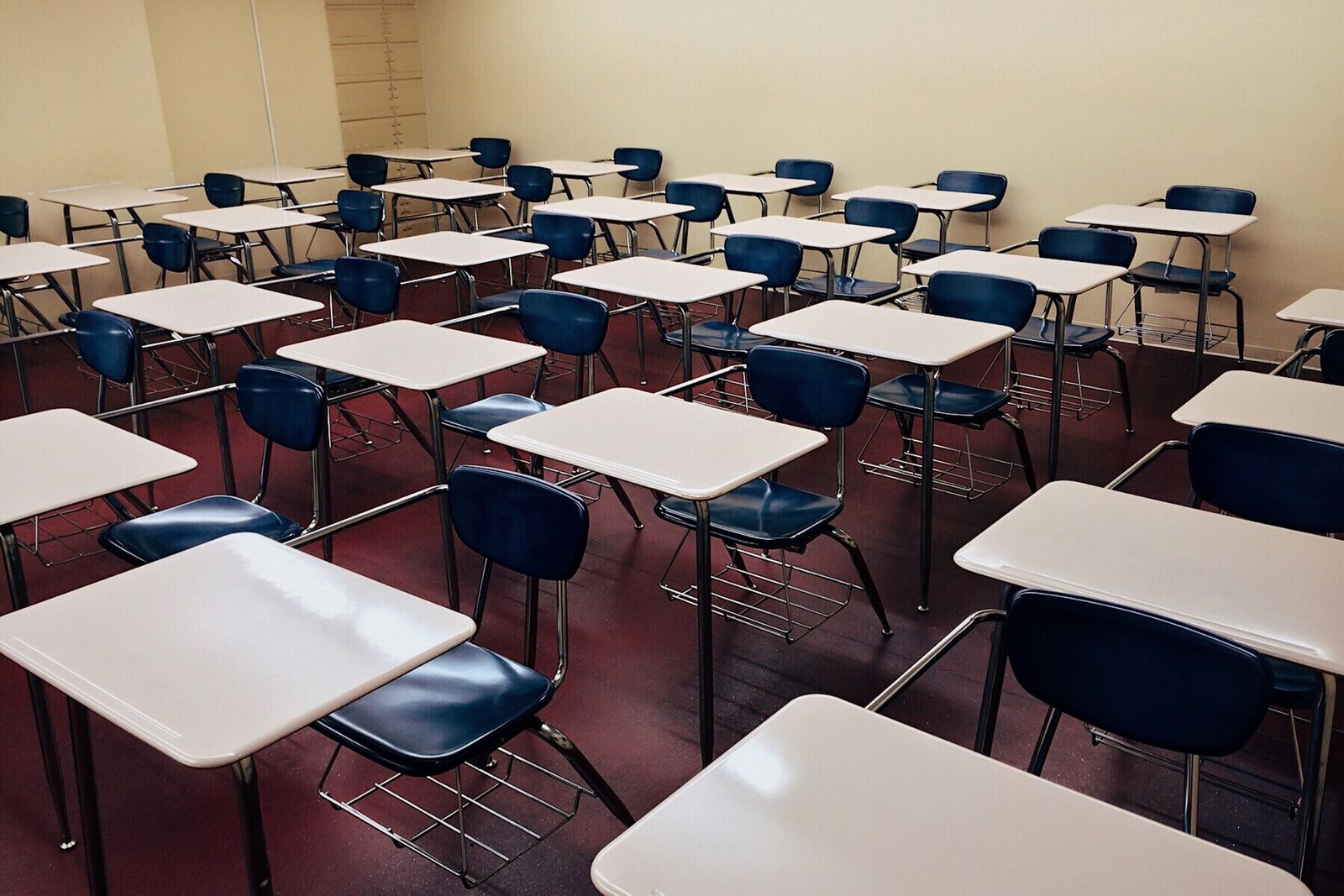
The short answer. Schools and daycares need daily cleaning of classrooms, restrooms, cafeterias, and high-touch points, with high-touch surfaces cleaned and disinfected more often than ordinary ones. Early care settings add a requirement most commercial programs miss entirely: toys and any item that reaches a child's mouth get sanitized on a schedule and after mouthing. Deeper work — carpet, floors, high dusting — runs on a rotation keyed to calendar breaks. And every program needs a written outbreak escalation before an outbreak, not during one.
Why are schools different from offices?
Because of density and behavior. A classroom concentrates thirty people into a room the size of a small suite, sharing desks, devices, door hardware, and — in early care — toys that go directly into mouths. Every surface is a high-touch surface, and the occupants are the least likely population to wash their hands unprompted.
The payoff for getting it right is measurable in attendance. CDC cites an intervention study in elementary schools where improved hand hygiene combined with surface disinfection produced lower absenteeism from nonspecific gastroenteritis and reduced surface contamination with norovirus (CDC norovirus guidelines). Attendance has many inputs. Cleaning is one of the few a facility manager controls directly.
The room-by-room standard
| Area | Frequency | What it covers |
|---|---|---|
| Classrooms | Daily | Desks and tabletops, chairs, shared devices, door hardware, light switches; floors nightly. |
| High-touch points | Daily, more often in outbreaks | Handles, handrails, water fountains, push plates, shared keyboards and tablets. |
| Restrooms | Daily + intra-day checks | Full sanitation and restocking; mid-day porter passes during peak use. |
| Cafeteria / food areas | Daily, after each service | Food-contact surfaces sanitized with an appropriate food-safe product. |
| Toys & mouthed items | Per schedule + after mouthing | Sanitized — the surfaces CDC specifically flags for early care settings. |
| Gym, locker, nurse rooms | Daily | Mats, benches, shared equipment; clinical-grade attention in the health room. |
| Carpet & hard floors | Scheduled rotation | Extraction and machine floor care, usually keyed to calendar breaks. |
Sanitizing or disinfecting — which does a classroom need?
Both, on different surfaces, and this is where school programs most often go wrong. The two words are not interchangeable: a sanitizer is registered against bacteria and, per EPA, is not intended to kill viruses, while a disinfectant is tested against both. Our full breakdown of cleaning versus sanitizing versus disinfecting covers the regulatory difference.
Applied to a child-occupied building:
- Sanitize the surfaces CDC specifically flags for early care — items that contact children's mouths, including infant feeding items and toys.
- Disinfect the high-touch points where respiratory and gastrointestinal illness actually travels: door handles, desks, shared devices, restroom fixtures, water fountains.
- Clean everything first. Neither product works over soil, and a classroom generates more soil in a day than an office does in a week.
What does the outbreak protocol look like?
Norovirus, hand-foot-and-mouth, flu, and RSV move through a classroom in days, and the response is not "clean harder." CDC notes that schools might need specialized or enhanced cleaning and disinfection when an outbreak occurs with a specific pathogen such as norovirus, and advises consulting your state or local health department to determine what's needed.
For hand, foot, and mouth disease, CDC directs cleaning and disinfecting frequently touched surfaces and shared items, including toys and doorknobs (CDC, HFMD).
What that means operationally is that your written program needs a second gear defined in advance: which rooms escalate, which product changes, how frequency increases, who calls the health department, and who notifies parents. Sourcing that during an active outbreak is how a two-week problem becomes a six-week one.
What gets missed in school buildings
- Toys and manipulatives. The surface CDC names explicitly for early care, and the one a commercial janitorial scope almost never mentions. Somebody has to own it — crew or staff — in writing.
- Water fountains and bottle fillers. High-touch, high-consequence, and routinely treated as plumbing rather than a touchpoint.
- Under and around desks. Where the day's actual mess lands, and where a crew working the middle of the room never reaches.
- Shared devices. Tablet carts and keyboard labs get handled by every student in the building and cleaned by nobody in particular.
- Nurse and health rooms. These need clinical-grade attention and are often scoped as ordinary offices.
What you can do this week
- Ask who cleans the toys — and get an answer with a name. In most childcare facilities this task lives in an unwritten assumption between teaching staff and the cleaning crew. Whichever answer you get, write it down.
- Read the label of what's being used in occupied rooms. Check whether it's a sanitizer or a disinfectant, find its contact time, and confirm it's appropriate for child-occupied space. Three checks, one bottle, five minutes.
- Draft the second gear before flu season. One page: what changes during an outbreak, which rooms, which product, what frequency, who calls whom. It takes an afternoon in August and saves a fortnight in January.
For the general task-level template you can adapt, our facility cleaning checklist covers the daily/weekly/monthly structure, and if your program needs a full-space reset after an illness event, the electrostatic disinfection price guide shows what that layer costs. Congregations running nurseries and classrooms face the same problem — see church & community facility janitorial.
Want your school or center scoped properly?
A free walkthrough produces a room-by-room program, an outbreak escalation plan, and a crew that's background-checked before it ever enters a classroom.
What to require from a vendor
- Background-checked, W-2 employees. In a building full of children this is the first question, not the fifth. Subcontracted labor means you don't control who walks in.
- The same crew every visit. Consistency matters for security as much as quality.
- Product transparency — which EPA-registered products, which are sanitizers, which are disinfectants, and their suitability for child-occupied space.
- A written scope naming toys, devices, and fountains. If it isn't named, it isn't happening.
- Scheduling around the calendar — deep floor and carpet work during breaks, not during instruction.
That's how we build these programs: recurring commercial janitorial sized to the building, with high-touch disinfection on the surfaces that matter, outbreak response cleaning as the second gear, and floor and carpet programs scheduled into calendar breaks. Community and education facilities sit inside Purity Care.
You can browse the full service list or see how we work — we cover schools and centers across Miami-Dade and Broward, including Miami.
The bottom line
Clean daily, disinfect the touchpoints more often than that, sanitize what goes in mouths, name toys and shared devices in the written scope, and have the outbreak escalation drafted before you need it. None of that is exotic — it's just specific, which is exactly what a scope written for an office building isn't.
Quick answers
How often should a school be cleaned?
Classrooms, restrooms, cafeterias, and high-touch surfaces need attention every operating day, with high-touch points — desks, doorknobs and handles, shared devices, water fountains, handrails — cleaned and disinfected more frequently than ordinary surfaces. Childcare rooms serving infants and toddlers need more: toys and any item that reaches a child's mouth get sanitized on a defined schedule and immediately after mouthing. Deeper work — carpet extraction, hard-floor care, high dusting — runs on a documented rotation, usually keyed to breaks in the school calendar.
What is the difference between sanitizing and disinfecting in a school?
Both appear in CDC guidance for education settings and they are not interchangeable. Sanitizing is what CDC directs for surfaces that come into contact with children's mouths — infant feeding items and toys. Disinfecting is the higher-efficacy step for high-touch surfaces and for outbreak situations, because sanitizers are registered against bacteria and are not intended to kill viruses. A school program needs both, applied to the right surfaces, with the products chosen for child-occupied spaces.
What should a school do during a norovirus or hand-foot-and-mouth outbreak?
CDC notes schools might need specialized or enhanced cleaning and disinfection when an outbreak occurs with a specific pathogen such as norovirus, and advises consulting your state or local health department to determine what is needed. For hand, foot, and mouth disease, CDC directs cleaning and disinfecting frequently touched surfaces and shared items, including toys and doorknobs. The practical requirement is having that escalation written down before you need it — an outbreak is a bad time to be sourcing a protocol.
Does better school cleaning actually reduce absences?
There is evidence it can. CDC cites an intervention study in elementary schools showing that improved hand hygiene combined with surface disinfection led to lower absenteeism from nonspecific gastroenteritis and reduced surface contamination with norovirus. Cleaning is not the only variable in attendance, but it is one of the few a facility manager directly controls.
Want this handled instead of researched?
A free walkthrough turns everything above into a written plan for your facility — usually quoted within 24 hours.
Let's make your facility spotless & compliant.
Book a free, no-obligation walkthrough. We'll assess your space, answer your questions, and build a quote tailored to your facility — usually within 24 hours.