Post-Construction Cleaning Rates: How the Job Is Actually Priced
Post-construction cleaning is quoted differently from every other cleaning service, and the difference catches general contractors out. Here's how the phases price, the six things that move the number, and why the cheapest bid usually costs the most.
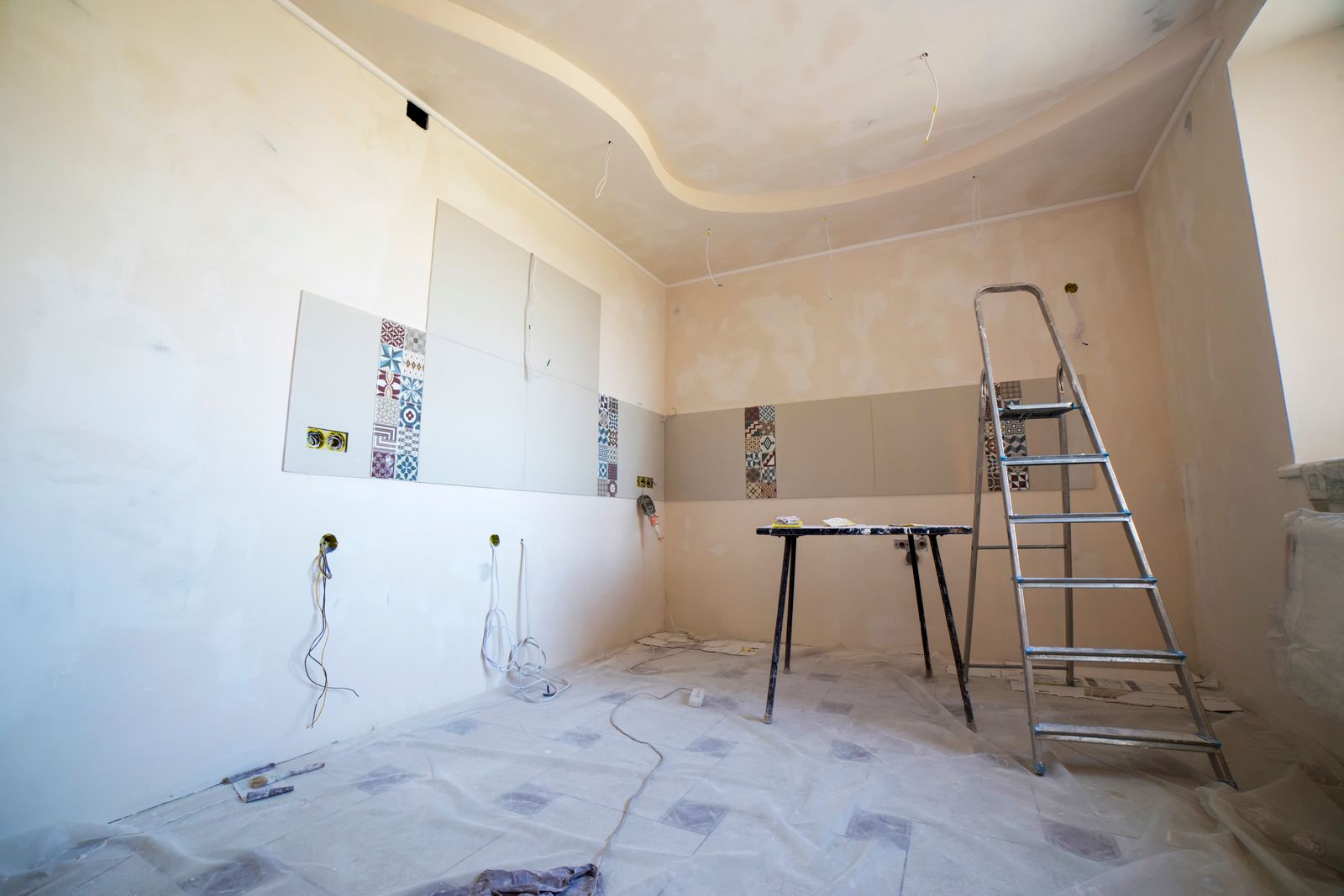
The short answer. Post-construction cleaning is priced per square foot and per phase, and it runs well above recurring janitorial rates. The rough clean is cheapest per square foot, the final clean is the most expensive, and the touch-up is the lightest. Insist on a phased quote rather than one blended number — a single figure hides which pass is about to get compressed, and it's almost always the one that decides whether you pass the walkthrough.
How the phases price
| Phase | When | Relative cost | What you're paying for |
|---|---|---|---|
| Rough clean | After major debris out, before finishes | Lowest per sq ft | Volume work — haul, knock down heavy dust, clear floors for the finishing trades. |
| Final clean | After finishes installed | Highest per sq ft | The detailed pass: HEPA top-to-bottom, glass, fixtures, casework inside and out, floors to material. |
| Touch-up clean | Right before walkthrough | Lightest | Resettled dust, fingerprints, punch-item mess. Priced small, worth the most on delivery day. |
The full sequence and what each pass covers is in our breakdown of the three phases of post-construction cleaning. What matters for pricing is that they are three different products, and a vendor quoting "post-construction cleanup" as one line has not told you which of them you're buying.
Why does it cost more than regular cleaning?
Four reasons, and none of them are margin:
- The dust is regulated. Cutting and grinding concrete, tile, and drywall produces respirable crystalline silica. OSHA sets a permissible exposure limit of just 50 micrograms per cubic meter over an 8-hour day and restricts dry sweeping and compressed-air blow-down where they would raise exposure (OSHA 29 CFR 1926.1153). That mandates HEPA vacuums and wet methods — slower and more equipment-intensive than a mop and a shop vac.
- Everything is dirty, not a subset. Routine cleaning maintains a mostly-clean space. Post-construction starts from zero on every surface, including ones nobody will look at again for a decade.
- The finishes are brand new. Lifting adhesive, mortar haze, and paint specks off surfaces that must not be scratched is skilled work. Damage here costs more than the entire cleaning contract.
- The schedule isn't yours. The work sequences around trades, which means mobilizing when the site is ready rather than when it's convenient.
What drives the number up?
| Driver | Example | Impact |
|---|---|---|
| Debris volume | What the trades left behind | Biggest single variable on the rough clean. |
| Finish delicacy | Polished stone, custom millwork, specialty glass | Slower technique; higher risk, higher rate. |
| Label & adhesive residue | Stickers on glass, fixtures, appliances | Small items, huge aggregate labor. |
| Height & access | Lifts, scaffolding, atriums | Changes equipment and crew requirements entirely. |
| Phase count | One pass vs three | Fewer phases costs less up front, more in punch items. |
| Schedule pressure | CO date, hard handover | Priced as crew size, not crew hours. |
Why the cheapest bid usually costs the most
There are only three ways to make a post-construction quote dramatically cheaper than the others, and all three land back on the general contractor:
- Drop the rough clean. The most common. Dust left in the space during finish installation ends up sealed under paint, trapped in caulk lines, and ground into new flooring by traffic. The final clean cannot undo any of it — it becomes punch-list items instead.
- Compress the final clean. Cabinet interiors, window tracks, light diffusers, and HVAC registers are the first things dropped, and every one of them is a walkthrough finding.
- Skip HEPA. A shop vac and a broom move silica around the room rather than removing it — and it resettles onto the finished surfaces you're about to hand over, for weeks.
How to get comparable bids
- Ask for a price per phase. Three numbers, not one. It's the only way to see what's being traded away.
- Give every bidder the same finish schedule. Polished concrete and specialty glass price very differently from painted drywall and VCT.
- State the handover date up front. Schedule pressure is a real cost driver, and a vendor who learns about it late will either miss it or re-price.
- Name the five commonly-missed items in the scope — cabinet interiors, window tracks, light fixtures and diffusers, HVAC registers, label and adhesive residue. Naming them prevents most punch-list disputes before they start.
- Confirm HEPA and wet methods in writing. One line in the scope.
What you can do this week
- Put the three phases on the construction schedule, not the cleaning invoice. Cleaning has to be sequenced against the trades — a final clean booked before millwork finishes is money spent twice.
- Send photos instead of waiting for a site visit. A dozen photos of the space and the finish schedule gets you a realistic phased number fast, which is usually enough to budget against.
- Decide who owns the touch-up. It's the pass most often assumed and least often assigned, and it's the one the owner actually sees.
If the space moves onto a recurring program after handover, our 2026 commercial cleaning cost breakdown covers what that looks like, and office cleaning contracts covers getting the periodic work priced before you sign.
Have a project heading for handover?
Send photos or book a walkthrough — you'll get a phased price built around your trade sequence, not a blended guess.
How we quote it
Phased, always — rough, final, and touch-up priced separately so you can see exactly what each pass buys and sequence them against your trades. Our post-construction cleaning runs inside Purity Restore, with construction dust and debris removal, post-construction glass, and a final detail punch pass timed as close to your walkthrough as the site allows.
Browse the full service list or see how we work across Miami-Dade and Broward, including Miami.
The bottom line
Get three numbers, not one. Give every bidder the same finish schedule and the same handover date. Confirm HEPA in writing. And treat a dramatically low bid as a question about which phase is missing — because on a post-construction job, what didn't happen shows up on the punch list with your name next to it.
Quick answers
What are post-construction cleaning rates?
Post-construction cleaning is usually priced per square foot and runs meaningfully higher than recurring janitorial because of the dust load, the finish-safe technique required, and the HEPA equipment involved. A rough-clean pass is the cheapest per square foot, the final clean is the most expensive, and the touch-up pass is the lightest. Most projects are quoted as a phased package rather than a single number, and the honest quote comes from a walkthrough or a set of photos — because the same square footage can be a very different job depending on the finishes and how much debris the trades left behind.
Why does post-construction cleaning cost more than regular cleaning?
Four reasons. Construction dust is respirable crystalline silica, which OSHA regulates at a permissible exposure limit of 50 micrograms per cubic meter over an 8-hour day and which cannot be dry-swept or blown down — it requires HEPA vacuums and wet methods. Every surface is dirty rather than a subset. Brand-new finishes require technique that will not scratch them while lifting adhesive, mortar haze, and paint specks. And the work is sequenced around trades rather than run on a fixed schedule.
Should I get one price or a price per phase?
Per phase. Post-construction cleaning runs as rough clean, final clean, and touch-up, and lumping them into one number hides which phase is being shortchanged. A phased quote also lets you sequence properly — the final clean has to land after the finishing trades are done, and the touch-up as close to the walkthrough as the site allows. A single blended number almost always means one of those passes is going to get compressed.
What makes a post-construction quote go up?
Debris volume left by the trades, the delicacy of the finishes, glass and label residue, height and access, how many phases you need, and the schedule. Emergency turnaround before a certificate of occupancy or a hard handover date carries a premium, because it means crew size rather than crew hours. Whether the rough clean happened at all is the biggest hidden driver: skipping it means dust gets sealed under paint and ground into new flooring, and the final clean cannot undo either.
Want this handled instead of researched?
A free walkthrough turns everything above into a written plan for your facility — usually quoted within 24 hours.
Let's make your facility spotless & compliant.
Book a free, no-obligation walkthrough. We'll assess your space, answer your questions, and build a quote tailored to your facility — usually within 24 hours.