Post-Construction Cleaning: The 3 Phases Explained
New builds don't go straight from finished to move-in ready — there's a cleanup in between, and it runs in three distinct phases. What each one covers, how to sequence them around your trades, and why construction dust is a job for a specialist.
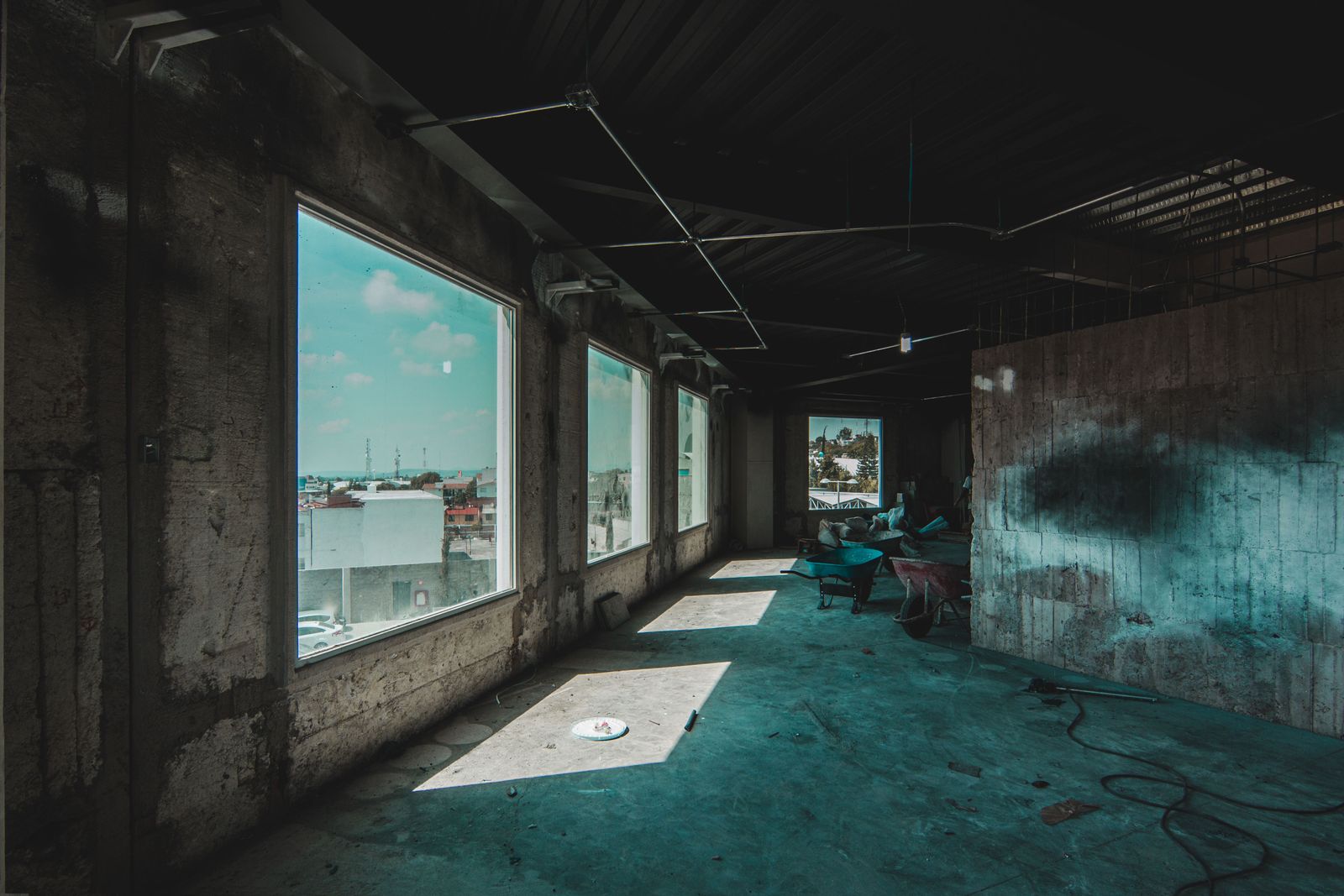
The short answer. Post-construction cleaning almost always runs in three phases: a rough clean (clear debris and heavy dust so finishing trades can work), a final clean (the detailed, HEPA-driven clean once finishes are in), and a touch-up clean (the last pass right before the walkthrough). Smaller jobs sometimes combine phases; larger projects run all three so a freshly cleaned space isn't re-dusted by trades working after it.
The three phases at a glance
| Phase | When | What it covers |
|---|---|---|
| Phase 1 — Rough clean | After major debris is out, before final finishes | Haul remaining debris, knock down heavy dust, clear surfaces and floors so finishing trades can work in a clean space. |
| Phase 2 — Final clean | After finishes are installed | The detailed clean: HEPA dust removal on every surface, glass, fixtures, casework, and floors brought to standard. |
| Phase 3 — Touch-up clean | Right before the walkthrough / handover | Fingerprints, resettled dust, and remaining punch items — the pass that makes the space spotless on delivery day. |
Phase 1: the rough clean
The rough clean happens once the big debris is out but before final finishes go in. It's the muscle phase: leftover material hauled, gross dust knocked down from surfaces and structure, floors cleared. The goal isn't perfection — it's giving the finishing trades (paint, millwork, flooring) a clean enough space to do their work without fighting a job site.
Skipping this phase is the most common false economy on a project. Dust that stays in the space during finish installation ends up sealed under paint, trapped in caulk lines, and ground into brand-new flooring by traffic — none of which the final clean can undo. What you save in one phase you pay back in punch items.
Phase 2: the final clean
This is the phase most people picture when they hear "post-construction cleaning." With finishes installed, every surface gets the detailed treatment: HEPA dust removal top to bottom, glass and mirrors cleared of haze and stickers, fixtures and casework wiped inside and out, and floors cleaned down to the material. It's meticulous, and it's where a construction-savvy crew earns its keep — lifting adhesive, mortar haze, and paint specks without scratching brand-new surfaces.
The order is always top-down: ceilings, ducts and light fixtures, then walls and casework, then horizontal surfaces, then floors last. Working in any other sequence means cleaning the same floor twice, which is exactly how a crew burns a night and still fails a walkthrough.
Phase 3: the touch-up clean
Between the final clean and the walkthrough, a building keeps generating mess — trades come back for punch items, dust resettles out of the air and out of the HVAC, hands leave prints on glass. The touch-up pass catches all of it right before handover, so the space is spotless the moment the owner or inspector walks it. It's the difference between "we cleaned it last week" and "it's clean right now," and on a delivery day those are not the same building.
One scheduling note worth planning around: the touch-up pass should land as close to the walkthrough as the site allows — same day where possible. A touch-up run three days early is just a fourth clean that something else will undo before anyone official sees the space.
Why is it specialist work and not regular cleaning?
Construction dust isn't ordinary dust. Cutting and grinding concrete, tile, and drywall produces respirable crystalline silica — fine enough to stay airborne and resettle for weeks. OSHA regulates it under the construction silica standard at a permissible exposure limit of just 50 micrograms per cubic meter over an 8-hour day, and restricts dry sweeping and compressed-air blow-down where they'd raise exposure (OSHA 29 CFR 1926.1153).
That's why post-construction dust is cleared with HEPA-filtered vacuums and wet methods — which also happens to be the only way to keep it from resettling onto the finished surfaces you're about to hand over. A shop vac and a broom move silica around the room; they don't remove it. This is the single clearest technical line between a crew that does this work and a crew that says yes to it.
What gets missed most often
- Inside the casework. Cabinet and drawer interiors collect drywall dust that nobody sees until the tenant opens them on day one.
- Window tracks and door frames. Grit settles in the channels and stays there through three cleans if nobody names them in the scope.
- Light fixtures and diffusers. Dust on the inside of a lens is visible the moment the lights go on for the walkthrough.
- HVAC registers. Skip these and the system redistributes construction dust across the finished space for weeks after handover.
- Adhesive and label residue. Stickers on glass, fixtures, and appliances — each one small, collectively the most common punch-list line in the trade.
What you can do this week
- Put the three phases on the construction schedule, not the cleaning invoice. Cleaning has to be sequenced against the trades. A final clean booked before millwork finishes is money spent twice.
- Name the five items above in your scope. Casework interiors, window tracks, fixtures, registers, label residue. Those five lines prevent most punch-list arguments before they start.
- Ask any bidder what they use for dust removal. If the answer isn't HEPA vacuums and wet methods, they're going to relocate your silica rather than remove it — and you'll find out during the walkthrough.
If the space moves into recurring service after handover, our 2026 commercial cleaning cost guide covers what that program costs, and what commercial cleaning includes explains how the pieces fit together. For how the job is priced phase by phase, see post-construction cleaning rates.
Have a project handing over soon?
A free walkthrough — or just a set of photos — gets you a phased schedule and a fixed price built around your trade sequence.
Getting it delivered clean
When your project needs a crew that can hold the schedule and pass the walkthrough, that's our post-construction cleaning service across Miami-Dade and Broward — sequenced around your trades, finished to punch-list standard. It lives inside Purity Restore alongside construction dust and debris removal, post-construction glass, and the final detail punch pass. Browse the full service list or see how we work across the region.
Quick answers
What are the three phases of post-construction cleaning?
Phase 1 is the rough clean — remaining debris hauled and heavy dust knocked down after major construction, so finishing trades can work in a clean space. Phase 2 is the final clean — the detailed, HEPA-driven clean once finishes are installed, covering every surface, glass, fixture, casework, and floor. Phase 3 is the touch-up clean, run right before the walkthrough to catch resettled dust, fingerprints, and mess left by trades returning for punch items. Smaller jobs sometimes combine phases; larger projects run all three.
What is post-construction cleaning?
Post-construction cleaning is the specialized cleanup that takes a finished build from "construction-complete" to move-in ready — removing construction dust, debris, adhesive residue, paint specks, and haze that regular cleaning leaves behind. It is normally done in three phases and finished to punch-list standard so the space passes a general contractor's walkthrough.
How long does post-construction cleaning take?
It depends on square footage, the number of phases, and the finishes involved. A single tenant suite might be one night per phase; a full floor or building runs longer and is scheduled around the remaining trades. The reliable way to get a real timeline is a walkthrough or a set of photos, so the schedule is built around your trade sequence rather than guessed.
Whose responsibility is post-construction cleaning — the GC or the owner?
Usually the general contractor arranges it as part of delivering a clean, move-in-ready space, though the scope is often written into the contract with the owner. Either way, it is specialized work most GCs subcontract to a crew equipped for construction dust — HEPA vacuums, wet methods, and finish-safe technique — rather than handing it to a recurring janitorial service.
Want this handled instead of researched?
A free walkthrough turns everything above into a written plan for your facility — usually quoted within 24 hours.
Let's make your facility spotless & compliant.
Book a free, no-obligation walkthrough. We'll assess your space, answer your questions, and build a quote tailored to your facility — usually within 24 hours.