High-Touch Surface Disinfection for Medical Offices
The surfaces that spread infection are the ones everyone touches and no one thinks about: door handles, light switches, chair arms, check-in tablets, pens, and counters. Purity Med maps them and disinfects them on every single visit.
We use EPA-registered, hospital-grade products applied at full label dwell time — the step rushed crews skip, and the difference between wiping a surface and actually disinfecting it.
What's included
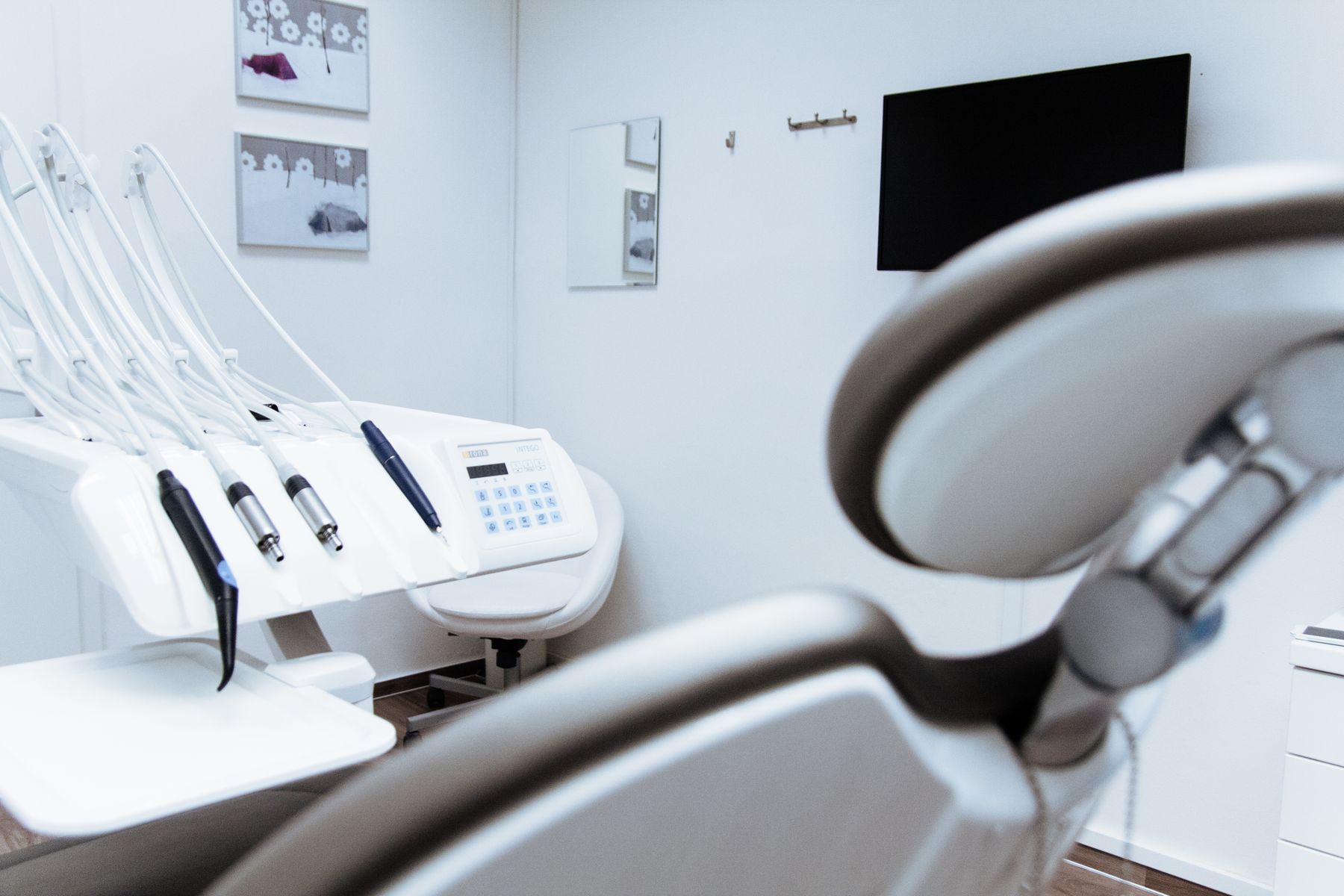
Table, stirrups, stool lever, cuff hook, cabinet pulls — between patients and again at end of day.
Details Waiting rooms and receptionCheck-in tablet, stylus, counter lip, card reader, chair arms — what every patient touches first.
Details Restroom touch-pointsFlush levers, latches, dispenser levers and door hardware, on the restroom's own tool set.
Details Periodic electrostatic amplifierFor chair frames, cable runs and equipment undersides that a cloth cannot wrap around.
Details Documented to OSHA and CDCProducts, contact times and the written schedule that a surveyor will ask to see.
Details The whole practice programmeHigh-touch work as one layer inside the medical cleaning contract, not an upsell.
DetailsWhy it matters
Your facility's touch-points are documented in the scope, so coverage never depends on memory.
Products stay wet as long as the label demands — that's when pathogens actually die.
Visible, consistent disinfection patients and staff can feel.
- Door handles, push plates, and rails
- Light switches, keypads, and thermostats
- Reception counters, pens, and check-in tablets
- Chair arms and waiting-room contact points
- Faucets, dispensers, and restroom hardware
The touch-points that actually transmit
Not a vague list of “frequently touched surfaces”. The specific ones, by room, because that is what a crew can actually be held to.
| Zone | Touch-points treated | Frequency |
|---|---|---|
| Exam room | Table and paper roll bar, stirrups, stool height lever, BP cuff hook, cabinet pulls, wall dispensers | Between every patient |
| Reception | Check-in tablet, signature stylus, pen cup, counter lip, card reader, glass partition | Every visit, and through the day where a porter is on site |
| Circulation | Door push plates and levers, handrails, light switches, thermostat, elevator buttons | Every visit |
| Restrooms | Flush levers, partition latches, dispenser levers, door hardware, sink faucets | Every visit, restroom-only tools |
| Break areas | Fridge and microwave handles, coffee station, tabletops, chair backs | Every visit |
OSHA's Bloodborne Pathogens Standard requires contaminated work surfaces to be decontaminated after a spill and at the end of the work shift — which is why the end-of-day pass still happens on the days a provider stayed late.
OSHA 29 CFR 1910.1030Clinical surfaces and housekeeping surfaces are not the same job
The CDC distinguishes between environmental and housekeeping surfaces on one side and clinical contact devices on the other, and so do we. Purity crews disinfect environmental and housekeeping surfaces. Instruments, the sterilisation area, the autoclave, the specimen fridge and anything inside a procedure field stay with your staff.
That boundary is written into the scope as a do-not-touch list and signed before the first visit. Being explicit about what we will not touch builds more trust with a practice manager than claiming we will handle everything.
“High-touch disinfection” means nothing without a list. If your vendor cannot hand you a written, room-by-room touch-point register, coverage is running on memory — and memory is what gets missed at the end of a long shift.
How we map your touch-points before the first visit
The walkthrough produces a written, room-by-room touch-point register that goes into the scope. It names every surface, who treats it, how often, and where the boundary sits with clinical staff. It is re-walked when the practice changes a room, adds a provider, or moves equipment.
It also gets you something practical: a document you can hand a new hire, or an auditor, that says exactly what happens in each room. Most practices do not have one until someone asks for it.
What gets checked when providers saw patients after the crew left
The end-of-day pass still happens, just later. Any surface with visible contamination is treated immediately rather than left overnight. Exam-room touch-points are disinfected whether or not soil is visible — the whole point of the list is that it does not depend on what someone can see. Waste is handled at the point it was generated.
And if a room was used after the crew had gone, it is flagged for the next visit rather than assumed clean. That flag is the difference between a schedule and a protocol.
High-touch disinfection across Miami-Dade & Broward
We run high-touch programmes for practices and offices throughout South Florida — clinical suites in Kendall, Coral Gables and Aventura, corporate space in Miami, Doral and Hialeah, and facilities up through Fort Lauderdale.
Common questions
Which disinfectants do you use?
EPA-registered, hospital-grade disinfectants matched to each surface and setting. Facilities with product requirements — fragrance-free or specific actives — get them written into the plan.
Is this included in regular cleaning or separate?
High-touch disinfection is built into every Purity Med visit as a standard layer. Facilities wanting extra protection add electrostatic disinfection on a schedule.
How often should exam rooms be cleaned and disinfected?
Contact surfaces are treated after every patient, and the room gets a full documented clean at the end of the day — those are two different jobs, not one done twice. Weekly is not a defensible interval for anything a patient or provider touches. Your scope sets which surfaces fall in which pass, in writing.
What should be checked in exam rooms if providers saw patients after office hours?
The end-of-day pass still has to happen, just later. Any surface with visible contamination is treated immediately rather than left overnight; exam-room touch-points are disinfected whether or not soil is visible; and waste is handled at the point it was generated. If a room was used after the crew left, it is flagged for the next visit rather than assumed clean.
What counts as a high-touch surface in a medical office?
The ones hands actually find: the exam table and its adjustments, stool height lever, blood-pressure cuff hook, cabinet pulls, the check-in tablet and stylus, counter lip, card reader, door push plates, handrails, light switches, thermostat and elevator buttons. We walk your rooms and produce a written touch-point register so coverage is never left to memory.
Related reading: how often a medical office should be cleaned · the medical office cleaning checklist · cleaning vs sanitizing vs disinfecting
Let's make your facility spotless & compliant.
Book a free, no-obligation walkthrough. We'll assess your space, answer your questions, and build a quote tailored to your facility — usually within 24 hours.