Exam & Treatment Room Cleaning in Miami
Exam and treatment room cleaning is where compliance gets tested — by inspectors, and by every patient who sits on the table. Purity Med cleans each room in a documented order of operations: clean, disinfect, dwell, so no step gets skipped and no shortcut gets taken.
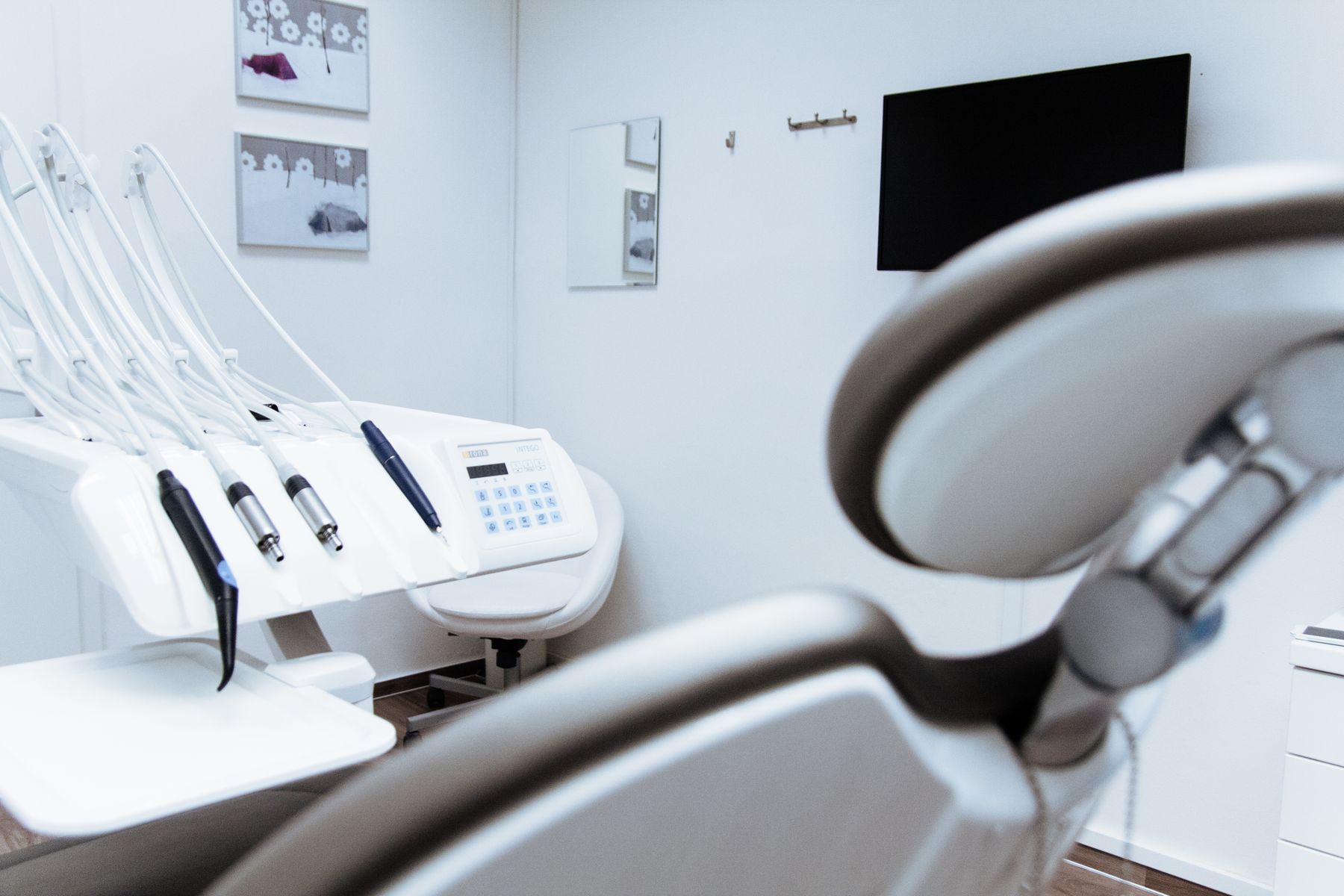
Exam tables, patient-contact points, counters, sinks, and floors are covered on every visit, with EPA-registered, hospital-grade disinfectants applied at full label dwell times. Your rooms open turnover-ready and stay audit-ready.
What's included
Exam table, rails, light handles, controls, tray surfaces and the chair arms every patient touches — cleaned, then disinfected, between patients.
Details Clean-to-dirty sequencingThe pass always runs from the least contaminated surface to the most, so a wipe never travels backwards. Colour-coded cloths make it enforceable.
Details Sinks, dispensers and wasteHand-hygiene stations restocked every visit — an empty dispenser quietly defeats every other control in the room.
Details Floors and housekeeping surfacesHard, non-porous and seamless where possible. Cleaned routinely, disinfected when visibly contaminated.
Details Terminal clean after an exposureA documented full-room reset after a known exposure or a soiled room, scheduled same-day rather than rolled into the next visit.
Details The record that proves itA per-visit log per room. In a clinical setting, work that cannot be evidenced did not happen.
DetailsWhy it matters
Documented steps and logs you can hand directly to an auditor.
Disinfectants work only if they sit — ours do, every time.
Familiar, BBP-trained faces who know your rooms.
- Exam tables, chairs, and patient-contact surfaces disinfected
- Counters, sinks, and casework cleaned and disinfected
- Floors damp-mopped with clinical-grade chemistry
- Touch-points: handles, switches, faucets, dispensers
- Written checklist completed and logged per room
What is the difference between clinical-contact and housekeeping surfaces?
It is the distinction the whole room is organised around. Clinical-contact surfaces are touched during care or by contaminated hands and instruments — exam table, rails, light handles, controls, chairside trays, keyboards at the point of care. They are barrier-protected, or cleaned and then disinfected with an EPA-registered hospital disinfectant, between every patient.
Housekeeping surfaces — floors, walls, sinks — carry markedly less transmission risk and are cleaned routinely, with disinfection when they are visibly contaminated. Treating the two the same is how practices end up over-servicing a floor while under-servicing a light handle, and it is why a general janitorial scope applied to a clinical room fails quietly rather than obviously.
Where a room turns over between patients all day, the realistic split is that your clinical team handles the between-patient turnover and we handle the daily terminal clean, the housekeeping surfaces and the documentation. We scope that boundary in writing so nobody assumes the other did it.
"Clean and disinfect clinical contact surfaces that are not barrier-protected with an EPA-registered hospital disinfectant after each patient."
CDC — Infection Prevention Practices in Dental and Clinical SettingsWhat will you not do in a clinical room?
We do not handle, reprocess or sterilise instruments, and we do not touch anything inside a sterilisation workflow. We do not handle regulated medical waste beyond the ordinary trash stream, and we do not move or interact with specimens, charts or anything on a screen. Crews work to a documented do-not-touch list, agreed at the walkthrough and specific to your practice.
That list is not a limitation so much as the point. A vendor willing to do all of it is a vendor who will eventually do something they should not have, in a room where that matters. Everything adjacent — the surfaces, the floors, the restocking, the records — is ours. The clinical chain stays yours.
Contact time is the whole control. Most hospital disinfectants require the surface to stay visibly wet for one to ten minutes depending on the product. A wipe that flashes dry in twenty seconds has cleaned the surface, not disinfected it — and the log will still say it was done. This is the single most common gap we find when we take over a practice.
Exam & treatment room cleaning across Miami-Dade & Broward
Clinical rooms across the region — the Health District and practices of Miami, the Baptist corridor in Kendall, specialty practices in Coral Gables and Aventura, plus Doral, Hialeah and Fort Lauderdale.
Common questions
Do you clean around medical equipment?
Carefully and by rule. Your walkthrough produces a do-not-touch list covering clinical equipment and instruments — crews clean around, never on, anything clinical unless your protocol directs it.
How often should exam rooms be professionally cleaned?
Nightly professional cleaning is the standard for active practices, with intra-day turnover support available through our exam-room turnover program for high-volume clinics.
Related reading: The medical office cleaning checklist · How often each clinical area needs cleaning
Let's make your facility spotless & compliant.
Book a free, no-obligation walkthrough. We'll assess your space, answer your questions, and build a quote tailored to your facility — usually within 24 hours.