Medical Office Cleaning Checklist: The Room-by-Room Standard (Free)
A defensible medical-cleaning program isn't a longer list — it's a documented one. Here's the room-by-room checklist we build Miami-Dade and Broward practices around, task by task, and the paperwork that makes it inspection-proof.
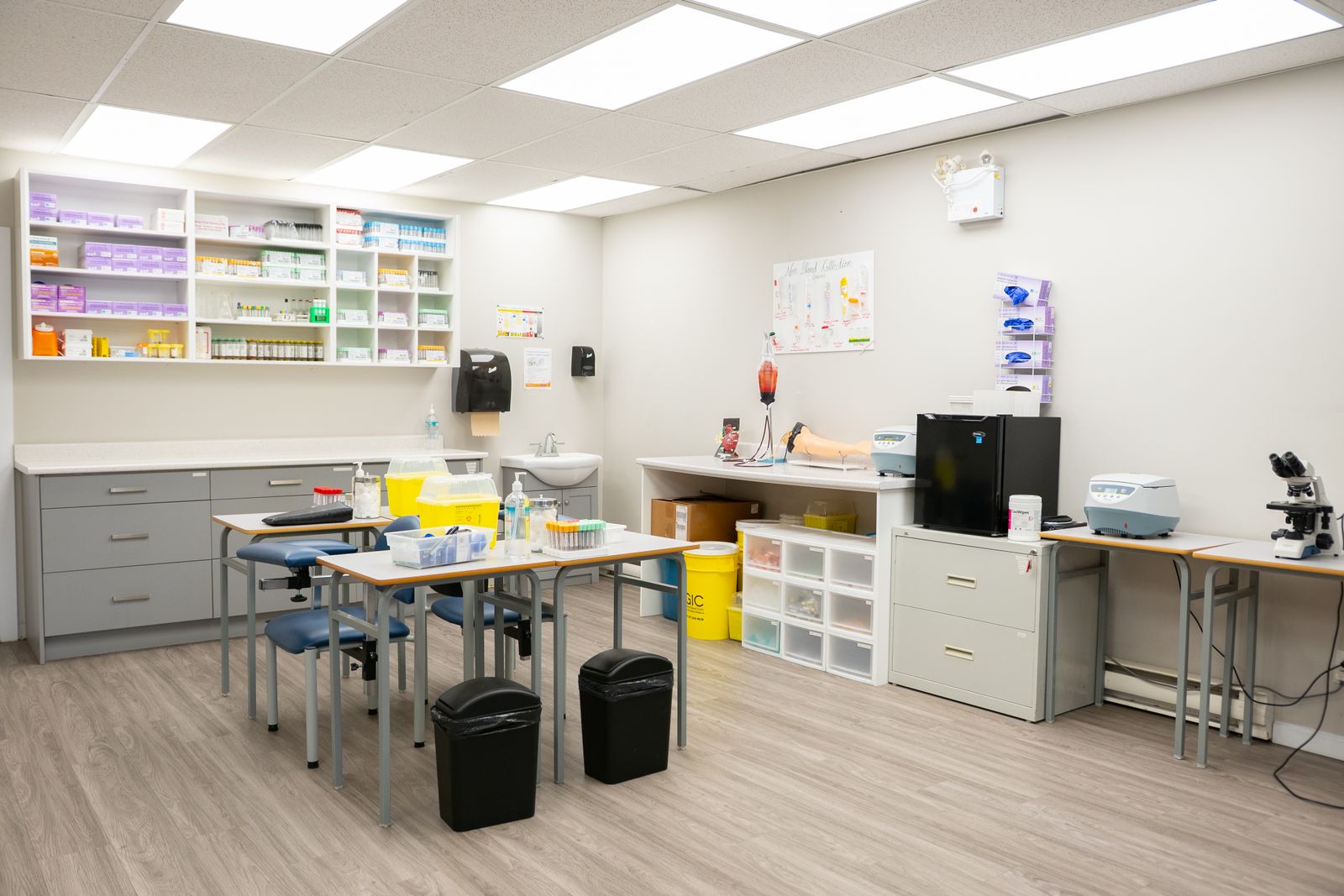
The short answer. A medical office cleaning checklist should cover, at minimum: exam rooms (clean → disinfect → hold contact time, daily and between patients), high-touch surfaces (every visit), restrooms (every operating day), waiting and reception (daily), floors (daily plus scheduled deep care), fabric and carpet (quarterly), and a full disinfection reset (quarterly or after an illness event). But the checklist only counts if it's written down, followed, and logged — that's what an inspector actually asks for.
Why does a checklist beat good intentions?
Healthcare-associated infections affect about 1 in 31 patients on any given day (CDC), and contaminated environmental surfaces are a documented transmission path. It isn't a soft problem, either: a randomized trial published in The Lancet Infectious Diseases — the 2024 CLEEN study — found that an enhanced environmental cleaning bundle cut healthcare-associated infections by 35% (Lancet, 2024).
Read that number again in operational terms: the difference between an ordinary cleaning routine and a structured one was a third of the infections. Not better equipment, not a stronger chemical — structure. A checklist is how "enhanced" stops being a word and starts being a routine your team runs the same way every night, whoever is on shift.
The room-by-room frequency framework
Here's the framework we build medical cleaning plans around. Frequencies are a floor, not a ceiling — high-volume and higher-risk practices move several of these up.
| Area | Frequency | What that means |
|---|---|---|
| Exam rooms | Daily + between patients | Clean → disinfect → hold contact time; contact surfaces turned over between visits. |
| High-touch surfaces | Every visit | Handles, switches, tablets, and hardware at full label contact time. |
| Restrooms | Every operating day | Clinical-grade sanitation and full restocking. |
| Waiting & reception | Every operating day | Seating, glass, and floors to clinical standard. |
| Floors | Daily + scheduled deep care | Nightly care plus periodic machine work by floor type. |
| Fabric & carpet | Quarterly | Hot-water extraction and fabric-safe sanitization. |
| Full disinfection reset | Quarterly or event-driven | Electrostatic or full-space disinfection after illness events. |
The exam room checklist
The order matters as much as the list. Cleaning removes soil; disinfecting kills what's left. Disinfectant applied over soil does neither job well, which is why "clean first" is step one and not a nicety.
- Remove waste and replace liners, including sharps container check (report, do not handle).
- Clean — not disinfect — visibly soiled surfaces first, working top to bottom.
- Disinfect patient-contact surfaces: exam table and pillow, stool, chair arms, counters, sink and faucet, cabinet pulls, light switches, door hardware.
- Leave the surface visibly wet for the full label contact time. Reapply if it dries early. This is the step that decides whether the previous one meant anything.
- Restock gloves, paper, hand hygiene, and table paper.
- Damp-mop the floor with clinical-grade chemistry, edges and corners included.
- Sign the log: room, time, product, initials.
The restroom checklist
The most reviewed room in the practice, and the one where a shortcut is most visible.
- Waste out, liners replaced, exterior of receptacles wiped.
- Disinfect the touchpoint set: door handle and push plate, lock, flush handle or sensor, faucet, dispenser levers, grab bars, baby-change surface.
- Clean and disinfect fixtures — bowl, seat both sides, base and behind, sink basin and underside of the rim.
- Glass, mirrors, and stainless to a no-streak finish.
- Floor: sweep, then damp-mop with attention to the base of fixtures and the grout line — the two places neglect shows first.
- Restock everything, then check dispensers work rather than assuming they do.
The waiting room and reception checklist
- Disinfect shared touchpoints: door handles, check-in tablet or pen tray, reception counter, chair arms, side tables, water cooler, vending buttons, elevator call plate if it's inside your suite.
- Clean reception glass and any partitions on both sides.
- Vacuum carpet including edges and under seating — the visible give-away when a crew works the middle of the room only.
- Spot-treat upholstery; flag anything needing extraction rather than scrubbing it in.
- Dust at reachable height weekly, high surfaces and vent grilles on the monthly rotation.
What makes a checklist inspection-proof?
A checklist satisfies an inspector only with three companions. Miss any one and the cleaning may still be happening — you just can't prove it, which in a compliance context is nearly the same as it not happening.
- EPA-registered disinfectants at full contact time. Hospital-grade products, matched to each surface, left wet for the full label time — the step rushed crews skip and inspectors ask about.
- BBP-trained cleaners. OSHA's Bloodborne Pathogens Standard (29 CFR 1910.1030) requires a written schedule and bloodborne pathogen training for anyone with occupational exposure — your cleaning crew included.
- A signed log per visit. Date, areas, products with EPA numbers, and a signature. When an inspector asks how the facility is maintained, paperwork answers better than promises.
What you can do this week
- Print the exam-room list above and walk one room with it. Not to catch anyone out — to find the two or three steps that were never actually assigned to anybody. Those gaps are almost always structural, not lazy.
- Add a signature line to whatever log you already have. If there is no log, one sheet on a clipboard by the supply closet is a legitimate starting point today. An unsigned log and no log are treated the same way.
- Check one contact time. Read the label of the disinfectant in your exam rooms, note the minutes, and watch one turnover. Everything else on this page is downstream of that single number being respected.
For the reasoning behind these frequencies — including what OSHA actually requires versus what people assume — see our medical office cleaning frequency guide. If you run a dental practice the rules shift slightly; start with OSHA cleaning requirements for dental offices. And if you are choosing a vendor rather than managing one, what to require from a medical facility cleaning vendor covers the six things to check before price.
Want this checklist written for your practice?
A free walkthrough turns this generic list into your facility's documented plan — with per-visit checklists and logs an auditor can read.
Print this, then make it yours
This checklist is a strong default, but a defensible program is the one written for your specific practice — your procedures, your patient volume, your compliance officer's stricter rules. That's exactly what a walkthrough produces: our medical office cleaning program turns this generic list into a written plan with per-visit checklists and logs, built on OSHA and CDC-aligned protocols, with documented exam-room turnover and clinical restroom sanitation as standing line items. If you run a dental practice, start with dental office cleaning instead.
You can browse the full service list, and our crews work with practices across Miami-Dade and Broward — including Miami.
Quick answers
What should be on a medical office cleaning checklist?
At minimum: exam rooms (clean, disinfect, hold contact time — daily and between patients), high-touch surfaces every visit, restrooms every operating day, waiting and reception daily, floors daily plus scheduled deep care, fabric and carpet quarterly, and a full disinfection reset quarterly or after an illness event. Each line should name the surface, the product, and who signs for it. A checklist that lists rooms but not products or signatures will not survive an inspection.
How often should exam rooms be cleaned?
Exam rooms need a full, documented clean every operating day, plus disinfection of patient-contact surfaces between patients. The daily clean covers the room top to bottom; the between-patient step focuses on the surfaces the last patient and the provider actually touched — table, chair, counters, and hardware — using an EPA-registered disinfectant held for its full label contact time.
What goes in a medical cleaning log?
At minimum: the date and time of service, the areas cleaned, who performed the work (signed), the disinfectants used with their EPA registration numbers, and any exceptions or follow-ups. The log is what turns "we clean every night" into something an inspector can actually verify — keep it current and produceable on request.
Do cleaners need OSHA training to clean a medical office?
Anyone with occupational exposure to blood or other potentially infectious material needs bloodborne pathogen training under OSHA 29 CFR 1910.1030 — and in a medical office, that includes the cleaning crew working in contaminated areas. Ask your vendor when their crew was last trained and request the dated records; a company that cannot answer is a liability in a clinical setting.
Want this handled instead of researched?
A free walkthrough turns everything above into a written plan for your facility — usually quoted within 24 hours.
Let's make your facility spotless & compliant.
Book a free, no-obligation walkthrough. We'll assess your space, answer your questions, and build a quote tailored to your facility — usually within 24 hours.