Medical Office Cleaning Frequency: What Inspectors, Patients, and OSHA Actually Expect
Three audiences judge how clean your practice is — and only one of them writes citations. Here's what each actually expects, the room-by-room schedule that satisfies all three, and the paperwork that turns inspection day into a filing exercise.
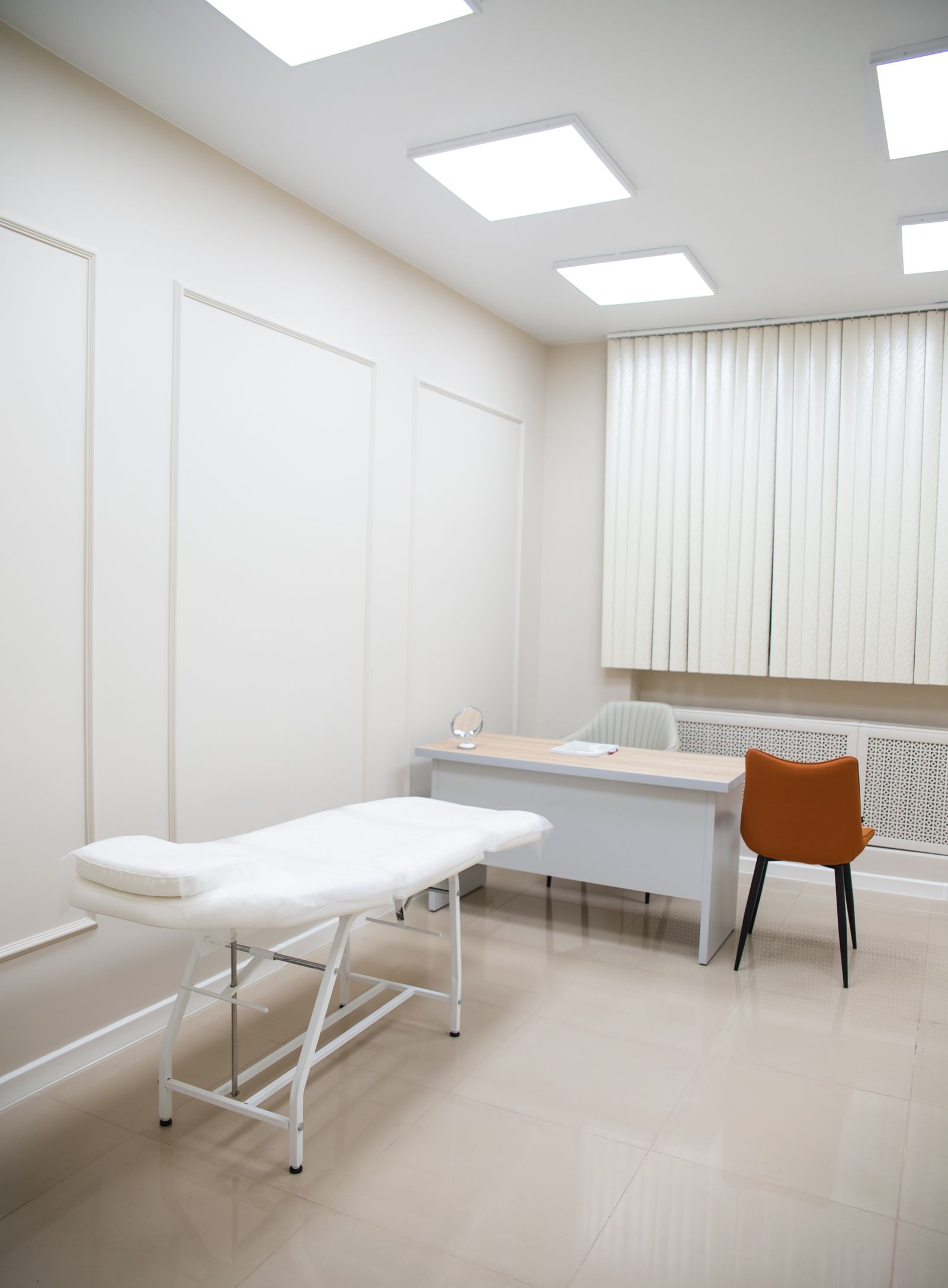
The short answer. A medical office should receive professional cleaning every operating day, with patient-contact surfaces disinfected between patients, restrooms sanitized at least daily, and deeper work — floors, fabric, vents — on a documented rotation. But the frequency itself is only half the requirement. The other half, and the one that decides inspections, is that your schedule is written down, followed, and logged. A practice cleaned six nights a week with no written protocol is in worse compliance shape than one cleaned five nights a week with a signed checklist for every visit.
That distinction — a defensible schedule versus a good-intentions habit — is what separates practices that sail through inspections from practices that scramble before them. Three audiences are judging the answer, and they want different things. Let's take them one at a time.
What does OSHA actually require?
Here's what surprises most practice administrators: OSHA doesn't publish a magic number. There is no federal rule that says "clean exam rooms X times per week." What OSHA does require is more demanding than a number. The Bloodborne Pathogens Standard, 29 CFR 1910.1030, obligates employers to maintain a worksite in a clean and sanitary condition and to determine and implement a written schedule for cleaning and decontamination — based on the location within the facility, the type of surface to be cleaned, the type of soil present, and the tasks or procedures being performed in the area.
Read that list again, because it is the whole compliance test. The standard doesn't ask how often you clean. It asks whether you decided how often based on what actually happens in each room — and wrote it down.
- A sanitary workplace, maintained. The duty to keep the facility clean and sanitary applies continuously — not just on cleaning night.
- A written schedule, room-specific. A single line that says "cleaned nightly" does not satisfy a standard that asks about surface type and procedure performed.
- Appropriate disinfectants, properly used. EPA-registered products applied the way the label demands — including contact time, the step rushed crews skip. A disinfectant that says four minutes and gets eight seconds has not disinfected anything.
- Trained people. Anyone cleaning where bloodborne exposure is reasonably anticipated needs bloodborne pathogen training. That includes your cleaning vendor's crew — ask yours when they were last trained, and ask for it in writing.
What do inspectors actually look for?
Whether it's an OSHA visit, a state health inspection, or an accreditation surveyor, inspectors follow a pattern — and it's not white-glove dust checks. They ask four questions your cleaning program either answers instantly or doesn't:
- "Show me your cleaning schedule." They want the written protocol — which areas, which products, which frequency, who is responsible.
- "Show me it happened." Cleaning logs and completed checklists, ideally signed per visit. Memory is not documentation.
- "What's in the bottle?" EPA registration numbers for the disinfectants in use, and evidence they're applied at label contact times.
- The places patients never see. Vent grilles, high ledges, behind equipment, restroom corners — the zones that reveal whether cleaning is systematic or cosmetic.
Practices that keep this paperwork current turn inspection day into a filing exercise. Practices that don't end up negotiating from memory — in front of someone who writes citations for a living.
What do patients actually notice?
Patients will never ask for your BBP documentation. They run a different inspection entirely, and it finishes in the first ninety seconds of the visit. Their checklist:
- The waiting room — the chair they sit in, the carpet under it, the state of the side table. Fabric seating that looks tired reads as "this practice cuts corners," fairly or not.
- The restroom — the single most-reviewed room in any medical office. An unstocked dispenser or a gray grout line undoes a lot of clinical excellence.
- The smell — not fragrance, absence. A clean medical office smells like nothing at all. Anything floral usually means something is being covered up.
This is why frequency in patient-facing areas isn't really a compliance question — it's a reputation question. Online reviews mention restrooms constantly. They never mention your sterilization log.
The room-by-room frequency schedule
Here's the framework we build medical cleaning plans around — the starting point a walkthrough then tailors to your patient volume, procedures, and layout:
| Area | Frequency | What that means |
|---|---|---|
| Exam rooms | Daily + between patients | Full documented clean nightly; patient-contact surfaces disinfected between visits. |
| High-touch surfaces | Every visit, minimum daily | Handles, switches, tablets, chair arms — EPA-registered products at full contact time. |
| Restrooms | Every operating day | Full sanitation and restocking; intra-day porter checks for high-volume practices. |
| Waiting room & reception | Every operating day | Seating, glass, floors, and reception surfaces to clinical standard. |
| Floors | Daily + scheduled deep care | Nightly vacuum/mop; periodic machine scrub, burnish, or extraction by floor type. |
| Fabric & carpet | Quarterly (monthly for pediatric/high-volume) | Hot-water extraction and fabric-safe sanitization of the surfaces patients touch most. |
| Vents, high surfaces | Monthly rotation | The overhead layer inspectors check and HVAC redistributes. |
| Full disinfection reset | Quarterly or event-driven | Electrostatic or full-space disinfection — scheduled, or after illness events. |
If you want this as a printable task list rather than a frequency table, our room-by-room medical office cleaning checklist breaks the same program into the individual steps a crew performs.
How do I know my current schedule is failing?
You usually don't need an inspector to tell you — the building says it first:
- Gray grout lines and traffic-pattern floors that "were just cleaned."
- Dust on vent grilles and high ledges — proof the schedule covers what's convenient, not what's there.
- Empty dispensers found by patients instead of staff.
- No one can produce last month's cleaning log inside of ten minutes.
- Your crew rotates strangers, and nobody can tell you when they were last trained.
Any two of those together means the problem isn't effort — it's the absence of a documented system.
What you can do this week
You can test your own compliance posture before anyone else does. Three steps, about an hour total:
- Run the ten-minute log test. Ask whoever manages your cleaning to produce last month's completed checklists in ten minutes. If they can't, that is your finding — and it is exactly the finding an inspector would write up. Nothing else on this list matters until this one passes.
- Read the label on your own disinfectant. Find the contact time in minutes, then watch an actual room turnover with a timer. The gap between the label and the practice is the most common real-world compliance failure in medical offices, and it costs nothing to fix once you've seen it.
- Write one room's protocol from scratch. Pick your busiest exam room. Write what gets cleaned, with what product, how often, and who signs for it. That single page is the template for the rest of the facility, and it turns "we clean nightly" into the room-specific schedule 1910.1030 actually asks for.
Want the schedule written for you?
A free walkthrough turns the table above into your facility's documented cleaning plan — room by room, with the logs inspectors ask for.
Building a schedule that defends itself
A defensible program has four parts, and none of them are complicated: a written protocol for every area type, trained people executing it, the right chemistry applied at label contact times, and a paper trail — signed checklists and logs that turn "how is this facility maintained?" into a two-minute answer.
That's the system behind Purity's medical office cleaning across Miami-Dade and Broward: OSHA/CDC-aligned protocols, documented exam-room cleaning, clinical restroom sanitation, and crews who arrive trained, vetted, and consistent. When a scheduled reset belongs in the rotation, our electrostatic disinfection pricing guide shows what that layer costs. Before you sign with anyone, what to require from a medical facility cleaning vendor covers the six things to check first. You can browse the full service list, and our crews work across the region — including Miami and the surrounding cities.
The frequency table above becomes your facility's written plan after one walkthrough — and inspection day becomes boring, which is exactly what it should be.
Quick answers
How often should a medical office be cleaned?
Every operating day, at minimum. Patient-contact surfaces should be disinfected between patients, exam rooms fully cleaned and documented daily, restrooms sanitized daily with intra-day checks in high-volume practices, and deeper work — floors, fabric, vents — on a documented rotation. But frequency is only half the requirement. The half that decides inspections is that your schedule is written down, followed, and logged.
Does OSHA require a specific cleaning frequency for medical offices?
No universal number. OSHA requires that facilities be kept clean and sanitary and, under the Bloodborne Pathogens Standard (29 CFR 1910.1030), that employers maintain a written schedule for cleaning and decontamination based on the location within the facility, the type of surface, the type of soil present, and the tasks or procedures performed. In other words, OSHA requires you to define, document, and follow a defensible schedule — which is exactly what inspectors ask to see.
How often should exam rooms be cleaned?
Patient-contact surfaces should be disinfected between every patient, with a full documented cleaning of each exam room daily. High-volume practices often add a dedicated turnover porter so rooms flip to standard all day without pulling clinical staff off patient care. The disinfectant must be EPA-registered and left wet for its full label contact time — the step rushed turnovers skip.
What cleaning documentation should a medical practice keep?
A written cleaning protocol per area type, per-visit checklists signed by whoever performed the work, cleaning logs you can produce on request, and the EPA registration numbers of the disinfectants in use. Keep BBP training records for anyone cleaning where bloodborne exposure is possible — including your vendor's crew. When an inspector asks how the facility is maintained, paperwork answers better than promises.
Want this handled instead of researched?
A free walkthrough turns everything above into a written plan for your facility — usually quoted within 24 hours.
Let's make your facility spotless & compliant.
Book a free, no-obligation walkthrough. We'll assess your space, answer your questions, and build a quote tailored to your facility — usually within 24 hours.