Construction Dust & Debris Removal in Miami-Dade & Broward
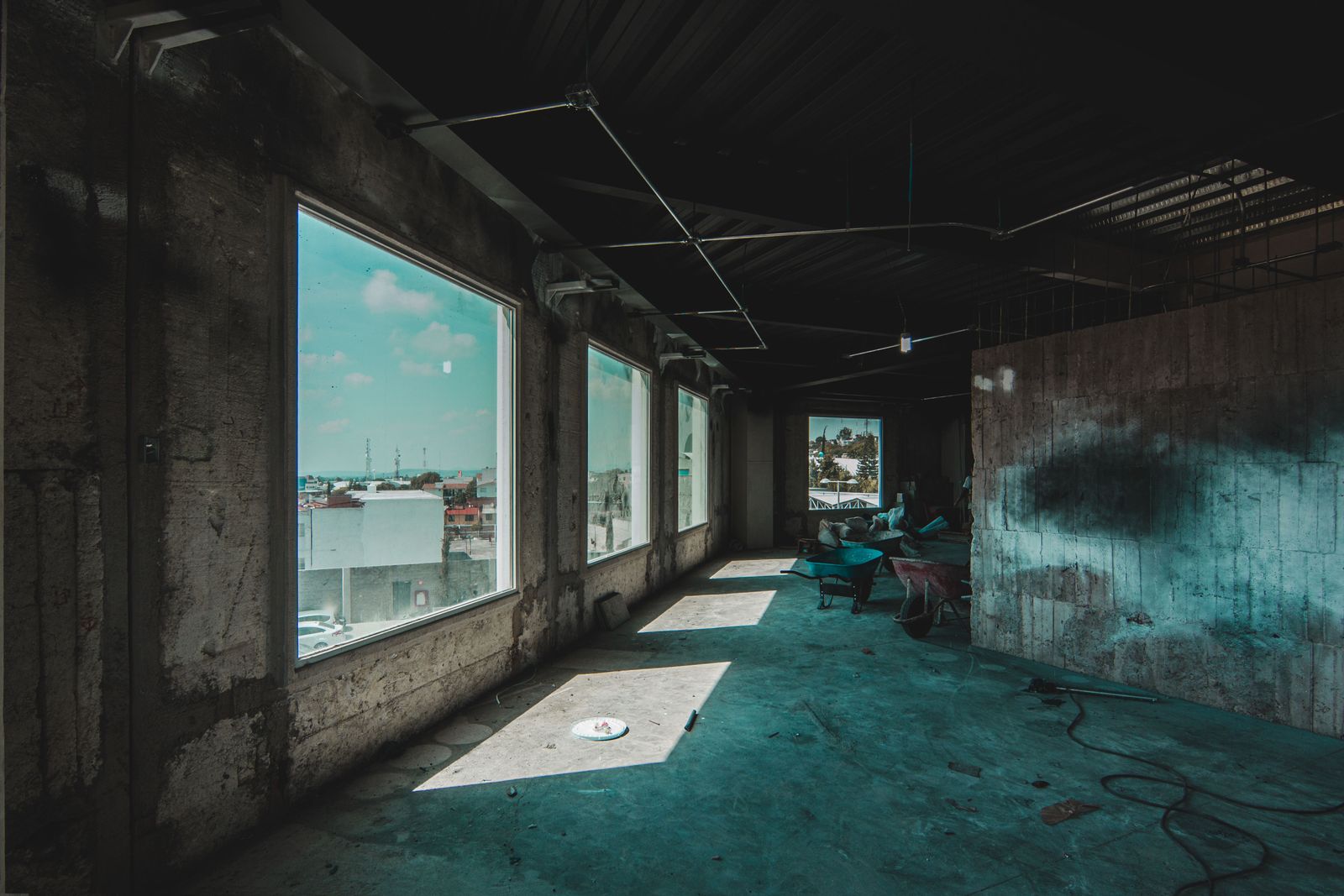
Construction dust doesn't sweep away — it's a fine mineral film that resettles for weeks if it isn't removed methodically. Add adhesive residue, stickers, and scattered debris, and 'substantially complete' still looks like a job site.
Purity Restore clears the layer between built and finished: HEPA-assisted dust removal from every surface, residue lifted, debris consolidated to your dumpster or staging point.
What's included
Everything above head height first, because gravity decides the order of this job.
Details Drywall haze off every surfaceThe fine film that survives a first pass and reappears as soon as the HVAC starts.
Details Floor prep and first finishDebris cleared, then the floor treated according to what it is about to become.
Details Glass, frames and tracksHandled after the dust work, never before — sequencing that saves a second clean.
Details Adhesive, label and sticker residueFixtures, appliances, glazing and hardware stripped of the film they shipped in.
Details Punch-list detail passThe final walk against the GC's list, in raking light, before the handover meeting.
DetailsWhy it matters
Methodical removal beats the weeks of ghost dust a quick sweep leaves.
Scheduled around your trades and your walkthrough date.
Tracks, hinges, and vents — where punch-list inspectors look first.
- HEPA-assisted dust removal, all surfaces
- Drywall haze cleared from floors and glass
- Sticker, label, and adhesive residue removal
- Debris consolidation to dumpster or staging
- Vents, tracks, and crevices detailed
Why post-construction cleaning happens in phases
Because dust falls. Any post-construction clean that starts at floor level is going to be done twice, and the second pass is billed to somebody. The sequence is always gross debris first, then top-down dust, then surfaces, then floors, then glass, then a punch pass under raking light.
It also runs against a live schedule. Trades come back, a fixture arrives late, an inspector fails one item — and that is normal. We plan for a re-clean window rather than pretending the site will freeze the moment we arrive.
Construction dust is a regulated hazard, not just a mess. Under OSHA's construction silica standard (29 CFR 1926.1153) an employer must either follow the Table 1 control methods — water application and dust collection among them — or measure worker exposure and select controls accordingly. Dry sweeping a slab is the fastest way to put respirable silica back into the air everyone is breathing.
OSHA — respirable crystalline silica in constructionThe residues a construction handover actually leaves behind
Every trade leaves a signature. Knowing which one you are looking at determines whether it lifts with a solvent, a scrub or a scraper — and whether forcing it will damage the finish underneath.
What we are removing, and where it hides after the first pass.
| Residue | Where it hides | How it is cleared |
|---|---|---|
| Drywall and joint-compound haze | Every horizontal surface, then the air again | HEPA vacuum then damp wipe — never dry sweeping |
| Concrete and masonry dust | Slab pores, track channels, door frames | Wet methods and HEPA extraction, per the silica controls |
| Paint overspray and drips | Hardware, glazing, switch plates, floors | Solvent and dwell; isolated mechanical work only |
| Adhesive and label film | Fixtures, appliances, glass, cabinetry | Solvent matched to the adhesive, then residue neutralised |
| Sawdust and wood shavings | Cabinet interiors, plenums, vent faces | Vacuum extraction before any wet method |
| Metal shavings and fastener debris | Carpet pile, track channels, thresholds | Magnet sweep and vacuum before the floor is finished |
| Silicone and caulk smears | Glazing beads, counters, sanitary fittings | Silicone-specific solvent, controlled dwell |
| Bulk debris and packaging | Everywhere, until it is hauled | Sorted, removed and disposed — quoted separately |
Debris volume is the variable that breaks schedules. A clean-out with two dumpster pulls in it is a different job from a detail clean, and it needs to be priced as one. We separate debris removal from final detailing in the quote so you can see which half of the number is which — and so nobody discovers a haul-away charge on the invoice.
What a general contractor should hand us before day one
Four things, and the job runs on schedule with all four. The punch list as it stands, so the detail pass targets what the inspector will actually look at. The trade schedule, so we are not cleaning ahead of a crew that is coming back. Floor and finish specifications, because the wrong first treatment on a new floor is a warranty problem rather than a cleaning one. And site access, power and water, which decide whether a night shift is even possible.
On phased handovers we clean floor by floor so completed areas can be shown or occupied while work continues above. Say so at quoting — phasing changes the crew plan, not just the calendar.
Construction dust & debris removal across Miami-Dade & Broward
We clear handovers throughout South Florida — ground-up and buildout in Miami and Doral, warehouse and industrial in Hialeah and Miramar, plus Fort Lauderdale, Pembroke Pines, Hollywood and Coral Gables.
Common questions
Do you coordinate with trades still on site?
Routinely. We slot after your dusty trades finish, work zones in sequence, and communicate through your super so the clean and the schedule never fight each other.
Is debris hauling included?
We consolidate and stage debris to your on-site dumpster as standard. Off-site hauling can be arranged in scope where a project needs it.
Why can't our regular cleaners remove construction dust?
Because it is not a cleaning problem, it is a containment problem. Construction dust is fine enough to stay airborne for hours and re-settle on everything already wiped, so a crew working without negative air and HEPA collection just moves it around the room. Dry sweeping and blowing it down make it worse.
How long does construction dust keep resettling if it isn't removed properly?
Indefinitely, in practice — it keeps coming back out of the ceiling void, the HVAC system and every ledge nobody reached, for weeks. That is the complaint we get most often from owners who took the cheapest rough clean.
When in the build should the clean be scheduled?
Three passes, not one. Rough after debris-out and drywall sanding but before paint; final after millwork, flooring and fixtures but before FF&E; touch-up after the trades demobilise and immediately before the walkthrough. Booking it as a construction-schedule item rather than an afterthought is what keeps the sequence intact.
How much does construction dust and debris removal cost?
It is priced per phase and per square foot, and the rough clean is the cheapest pass — and the most expensive one to skip, because dust left in the space gets sealed under paint, trapped in caulk lines and ground into new flooring. Our post-construction rates guide breaks the phases down.
Related reading: the phases of a post-construction clean · what post-construction cleaning costs · what to expect from a walkthrough
Let's make your facility spotless & compliant.
Book a free, no-obligation walkthrough. We'll assess your space, answer your questions, and build a quote tailored to your facility — usually within 24 hours.