Travertine Restoration in Miami: Cleaning, Repair, Honing and Sealing
The short answer. Travertine restoration is four jobs in a fixed order: fill the open holes and voids, hone out etching and scratches, bring the surface to a honed or polished finish, and seal it. What keeps it restored is the cleaner, and the number to remember is pH 7, neutral: as a stone restorer quoted on the Natural Stone Institute's consumer site put it, "marble, travertine, or limestone react adversely with vinegar because it is acidic" (Use Natural Stone). Etching and open holes are both corrected in place, without replacing a single tile.
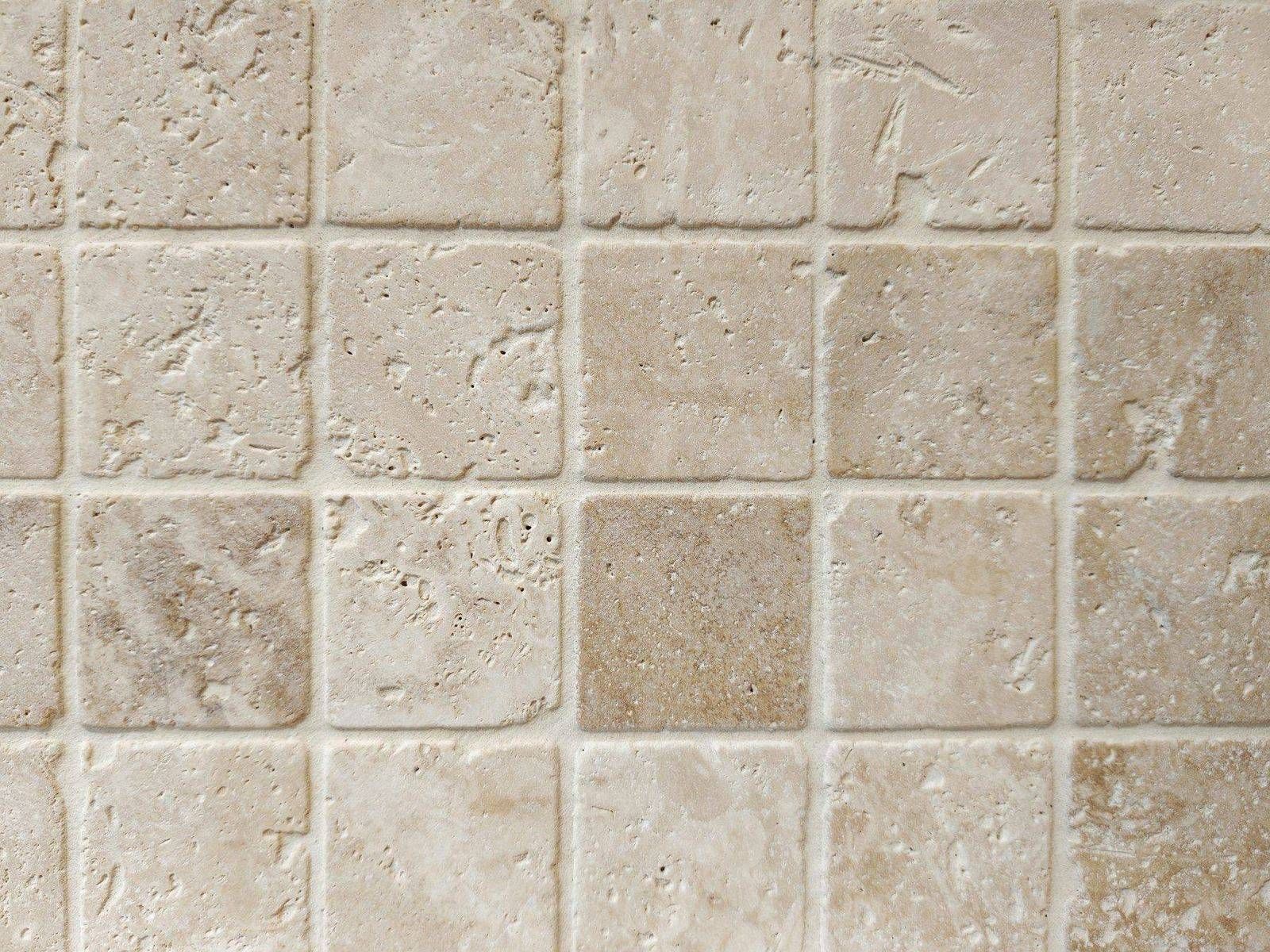
Travertine is an acid-sensitive stone, like marble and limestone, and it is full of holes because it formed with gas trapped inside it. Those two facts decide how it is restored. Travertine repair means filling the voids that have opened, colour-matched and ground flush. Restoring the surface means diamond honing, the same progressive process as our marble and natural stone polishing, stopped at the finish the space needs. Travertine cleaning and sealing is what protects the result once the crew has left.
Purity Luster restores travertine across Miami-Dade and Broward: condo and hotel lobbies, pool decks and coping, restaurant floors, office entries and private homes. If you searched travertine restoration near me, one crew covers the cleaning, the repair, the honing and the sealing, so the floor is not passed between three contractors. We are family-owned, woman-owned and bilingual in English and Spanish; our crews are W-2 employees with Level 2 background checks, and every job is quoted in writing after a walkthrough.
What does travertine restoration include?
Six pieces of work. Most floors need three or four of them, and the walkthrough decides which before anything is quoted.
A neutral-pH deep clean with soft pads and controlled water. No acid, no vinegar, and no high-pressure wand aimed at filled holes.
Details Hole, void & crack repairOpen voids cleaned out, filled with a colour-matched resin or cementitious filler and ground flush, so the tile reads continuous again.
Details Honing, etch removal & polishingDiamond honing takes out etch marks, scratches and dull traffic lanes. Then we stop at honed or step up to satin or polished, area by area.
Details Travertine cleaning & sealingAn impregnating sealer on clean, dry stone and its grout joints. It buys time against stains; it does not stop etching.
Details Wax & coating removalWax or acrylic finish laid over travertine yellows and packs dirt into the holes. It gets stripped off, not renewed.
Details Pool decks, coping & patiosExterior travertine cleaned with chemistry and low pressure, then sealed against water and staining where salt air and pool chemistry work on it daily.
DetailsWhy does travertine have holes, and can they be repaired?
They can be repaired, and they do not mean you bought poor stone. Every true travertine has voids, left by gas trapped in the stone as it formed. At the factory, voids that open onto the face are filled and ground flush; voids just below the surface are not, because nobody can reach them. In service, the thin shell of stone over one of those hidden voids breaks under a concentrated load, and a new hole appears in a floor that looked perfect last month.
"One thing they will have in common is voids within the stone fabric as a result of trapped gasses during their formation. This is a common characteristic of all true travertines."
Natural Stone Institute — Travertine Voids, technical handoutThe same handout names the usual culprits: hard, non-pneumatic wheels, spike heels and, in hotel lobbies, luggage carts. Fleuri-cut travertine opens more holes than vein-cut. NSI calls filling voids in place as they appear acceptable and common practice, and describes a break-in period after which new holes taper off. It flags a second cause too: filler washed out by high spray pressure or stiff brushes, a maintenance problem that refilling alone will not fix. Travertine repair here means cleaning out each void, filling it with a colour-matched resin or cementitious filler and grinding it flush, the same discipline as our terrazzo chip and crack repair.
Honing vs polishing: what does restoring the surface involve?
It starts with honing: diamond abrasives cut away a very thin layer of stone, and the etch marks, scratches and dull traffic lanes go with it. Etching is the damage most people misread as wear. It is a chemical burn from an acid (a citrus drink, a vinegar mop, a restroom descaler), and the Natural Stone Institute states that products containing lemon, vinegar or other acids "may dull or etch calcareous stones" (NSI care guide). It cannot be scrubbed or buffed out; it has to be honed. Then the finish is a choice. A honed surface is matte, hides etching far better and, with many stones, can increase slip resistance underfoot (Use Natural Stone): the right answer for pool decks, wet entries and restaurant floors. Polished travertine reads as luxury in a dry lobby but shows every mark, and polished surfaces need restoring more often than honed ones. Between restorations, a scheduled pass under our floor burnishing and buffing programme keeps the finish where it was left.
When is travertine restoration not worth it?
Restoration fixes the surface; it does not fix what is underneath. If tiles are cracked straight through, sound hollow when tapped or have shifted because the substrate moved, honing will make them look better for a while and then they will crack again. Those tiles need resetting or replacing by a tile installer first, and we will say so at the walkthrough instead of quoting around it. A newer floor that keeps opening the odd hole does not need a restoration either; it needs spot filling through its break-in period. If holes keep reappearing where filler used to be, the fix is a change in how the floor is cleaned, not another round of filling. And if the travertine is buried under years of wax or acrylic finish, stripping that coating is the first job and a separate line on the quote. Our guide to saving old terrazzo walks through the same restore-or-replace decision for South Florida's other heritage floor.
How should travertine be cleaned and sealed, and how often?
This is how to clean travertine tiles day to day, and the schedule we hand over after a restoration. The Natural Stone Institute's instruction is to clean stone with a neutral cleaner, stone soap or a mild liquid dishwashing detergent in warm water, and to keep acids, scouring powders and rust removers off it (NSI). Sealing helps, but NSI is explicit that it "does not make the stone stain proof, rather it makes the stone more stain resistant." In Miami, exterior travertine around a pool lives in humidity, salt air and pool chemistry all year, so it gets its own, more frequent cycle.
| Task | Frequency | What that means |
|---|---|---|
| Dust mopping | Daily | Grit is the abrasive that dulls stone. A clean, untreated dry mop, plus mats inside and outside each entrance. |
| Damp cleaning | Daily to weekly | Neutral cleaner or stone soap in warm water, rinsed and dried. Never vinegar, citrus or acidic restroom products. |
| Spills | Immediately | Blot, do not wipe; flush with water and mild soap, rinse and dry. Wiping spreads the spill across more stone. |
| Pool deck & exterior travertine | Monthly to quarterly | Low-pressure rinse and stone-safe chemistry. Algae and moss get a mild bleach solution, not a pressure wand. |
| Spot filling of new holes | As they open | Voids just under the surface break open under rolling loads. Filling them as they appear is normal practice. |
| Resealing | Every 1 to 5 years | The sealer maker and the exposure set it. Restorers quoted by Use Natural Stone suggest every 3 to 5 years, yearly in high-profile spaces, and every 3 to 4 years for pool stone. |
| Maintenance hone or polish | As traffic lanes dull | A light pass on the worn lanes before dullness spreads floor-wide. Polished floors need it more often than honed ones. |
| Full restoration | When damage is floor-wide | Fill, hone, finish and seal across the whole floor. Everything above this row exists to push that date out. |
Where do you restore travertine in Miami?
Across Miami-Dade and Broward: condo and hotel lobbies and pool decks in Miami, Aventura and Hollywood; homes and office entries in Coral Gables; and commercial and residential stone in Fort Lauderdale and the cities around it. Condo and HOA boards often pair a restoration with recurring common area cleaning, so the lobby is cleaned with the right chemistry from the day the restoration crew leaves.
What property managers and owners ask us.
How much does travertine restoration cost in Miami?
It is priced by area and by where the process has to start. A floor that only needs cleaning and sealing costs a fraction of one with hundreds of open holes, deep etching and an old wax coat to strip first, and stopping at honed takes fewer diamond steps than a full polish. We quote in writing after a walkthrough of the actual floor; the four-hour visit minimum is what makes a single pool deck or entry workable.
Can holes in travertine be filled without replacing the tiles?
Yes. Voids are part of the stone, left by gas trapped in it as it formed, and the Natural Stone Institute says it is both acceptable and common practice to fill them in place as they become visible. Each void is cleaned out, filled with a colour-matched filler and ground flush. A newer floor often keeps opening holes in its first months, as thin shells of stone over hidden voids break under carts and heels; that tapers off as the floor breaks in.
How do you clean travertine tiles without damaging them?
Dust mop daily, because grit is what scratches the surface. Damp clean with a pH-neutral stone cleaner, stone soap or a mild dish detergent in warm water, then rinse and dry so no film is left. Blot spills instead of wiping them. Keep vinegar, lemon, acidic bathroom products and rust removers off the stone, and skip scouring powders and stiff brushes, which scratch it and can pull filler out of the holes.
Does travertine need to be sealed, and how often?
Often, and on pool decks, restaurant floors and kitchens it is common practice. What the stone industry calls a sealer is an impregnator that repels liquids rather than sealing the surface, so sealed travertine is more stain resistant, not stain proof, and it still etches if acid sits on it. How often to reseal depends on the sealer and the exposure, and the manufacturer sets the interval. For pool stone, a restoration contractor quoted on the Natural Stone Institute’s Use Natural Stone site recommends cleaning and resealing every three to four years.
Can etched travertine be repaired?
Yes. Etching is the surface of the stone dissolved by an acid, so the dull mark comes out when honing removes a very thin layer and the area is re-finished to match. As one restorer quoted by the Natural Stone Institute puts it, the only way to fix etched stone is to have it honed and restored. Sealing will not prevent etching, which is why the cleaning chemistry used on the floor matters more than the sealer.
Is honed or polished travertine better for a pool deck or lobby?
Honed, for anywhere that gets wet. A honed surface can add slip resistance underfoot, and it hides etch marks and scratches far better, so it needs restoring less often. Polished travertine looks richer in a dry lobby, but it shows every mark and needs more frequent maintenance. On a pool deck we restore to the existing honed or tumbled texture rather than polishing it.
Do you offer travertine restoration near me?
If you are in Miami-Dade or Broward, yes. Purity Luster restores travertine in Miami, Coral Gables, Aventura, Kendall, Doral, Fort Lauderdale, Hollywood, Plantation and the cities between, for condo and hotel lobbies, pool decks, offices, restaurants and homes. Crews are W-2 employees with Level 2 background checks, and every job starts with a walkthrough and a written quote.
Let's make your facility spotless & compliant.
Book a free, no-obligation walkthrough. We'll assess your space, answer your questions, and build a quote tailored to your facility — usually within 24 hours.