Commercial Air Duct Cleaning in Miami-Dade & Broward
Most duct cleaning is sold on a calendar. It should be sold on condition. The NADCA ACR Standard recommends that most commercial systems be inspected annually, with cleaning performed when the system actually calls for it — not on a schedule set by whoever answered the phone. Our duct partner is NADCA-certified, which is what makes that standard something we can actually hold them to (National Air Duct Cleaners Association).
So we inspect first and quote second, and if your ducts do not need cleaning we put that in writing. When they do, the work is source removal under negative pressure — the whole system, in the right order, documented at every access point.
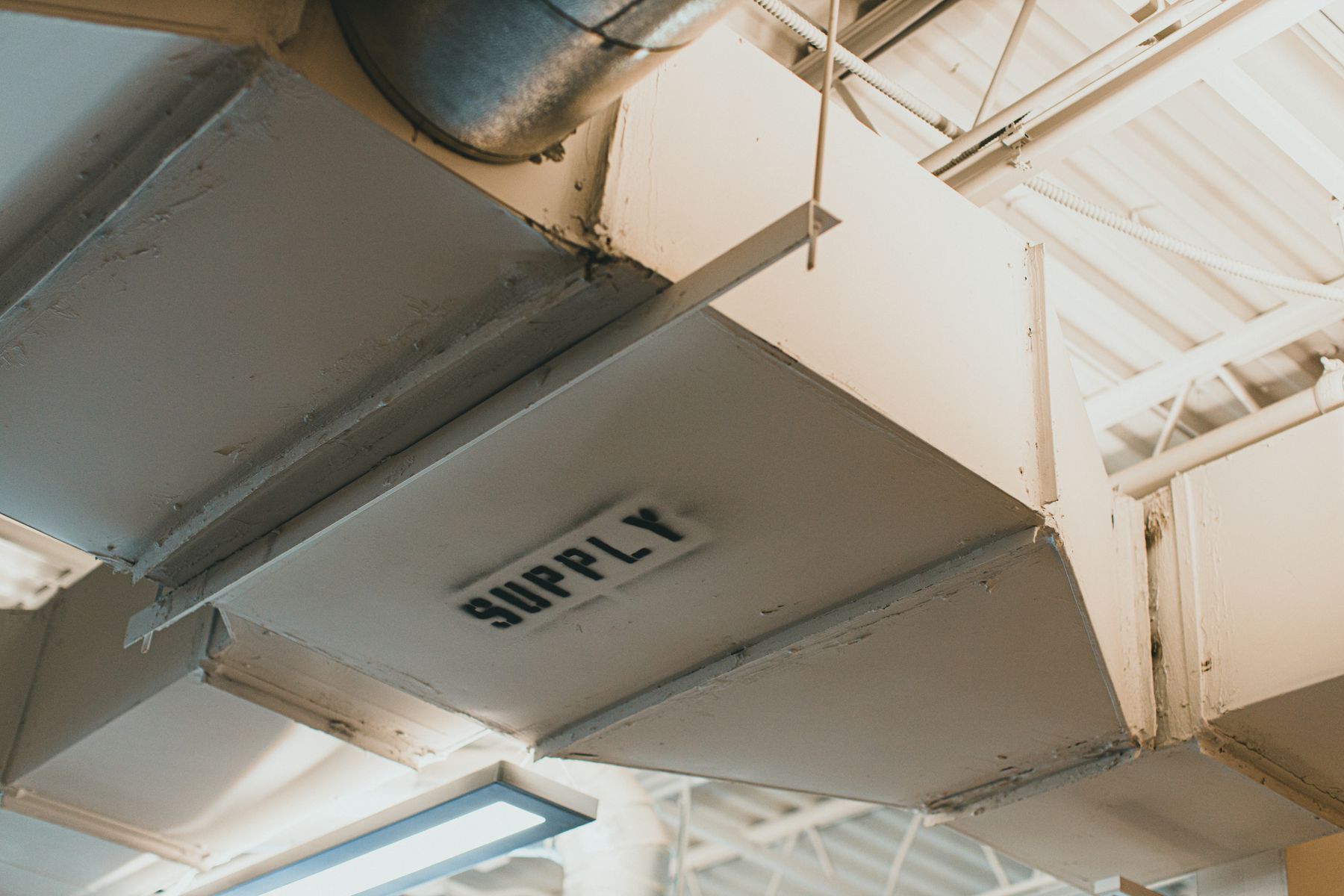
What commercial duct cleaning covers
From a single rooftop unit to a whole building.
Settled particulate, construction dust, and insulation fibre removed from the duct interior — returns first, because they carry the heaviest loading.
Details Air handlers, coils & plenumsCabinet floor, blower assembly, and evaporator coil face — where restricted airflow actually begins.
Details Post-construction contaminationDrywall dust and debris pulled into an unsealed system during the build. One of the four situations the EPA says warrants cleaning.
Details Healthcare & clinical systemsMedical facilities carry stricter expectations around documentation and scheduling than a standard office.
Details After a mould or water eventDuct work coordinated with remediation and a full disinfection reset, in the right order.
Details Inside your janitorial contractScheduled as a line item on the building programme rather than a separate vendor to manage.
DetailsWhen your ducts need cleaning — and when they don't.
This is the section most duct-cleaning pages leave out, and the reason to call us rather than the coupon truck. The EPA names four situations that genuinely warrant it: confirmed mould growth in the system, pest or rodent infestation, debris heavy enough to restrict airflow, and contamination pulled in during construction.
If none of those apply, the honest answer is that cleaning the ducts is unlikely to do much — and we would rather say so than sell you a job you did not need. The fourth trigger is the one we see most in South Florida: an unsealed system inhales drywall dust for weeks during a build. That work runs through construction dust and debris removal, scoped alongside the post-construction clean.
The EPA advises against hiring duct cleaners who recommend cleaning as a routine part of heating and cooling maintenance, and warns that an inadequate vacuum collection system can release more dust and contaminants than leaving the ducts alone.
US Environmental Protection AgencyThat second warning is worth reading twice. Done badly, duct cleaning is worse than nothing: a system opened without proper collection pushes what sat harmlessly in the ductwork straight into the occupied space.
What actually gets cleaned, and how it's verified
A duct cleaning that stops at the registers is not a duct cleaning. Order matters — returns before supplies, because returns carry the heaviest loading and cleaning them last redistributes it.
| Component | What comes out | How it's verified |
|---|---|---|
| Return ductwork & plenums | The heaviest loading in any system — returns pull unfiltered room air | Photographed at the access point before and after |
| Supply ductwork | Settled particulate, construction dust, loose insulation fibre | Photographed at the access point before and after |
| Air handler cabinet | Debris on the cabinet floor, and any sign of standing water | Condition noted in the report, water findings escalated |
| Evaporator coil face | Particulate and biofilm blocking airflow across the coil | Coil face photographed clean |
| Blower assembly | Caked particulate on the blades, which unbalances the fan | Photographed clean |
| Registers, grilles & diffusers | Surface dust and, in kitchens, grease film | Removed, washed, refitted |
| Flexible duct runs | Nothing — flex duct damage is reported, not cleaned around | Damage documented and handed to your HVAC contractor |
| Dryer vent lines | Lint accumulation along the full run to the exterior termination | Airflow checked at the termination |
Grilles and diffusers can also run on their own rotation through high dusting and vent grille detailing, and any system opened after a water or mould event is sequenced with disinfection services so the two are not fighting each other.
Dryer vents are a fire-code issue, not a dust issue.
They get bundled together in conversation and should not be. Lint accumulates along the full run to the exterior termination; airflow drops, dry times stretch, the machines work harder, and the risk changes character entirely. This is the one part of the work that is about safety rather than air quality — and it matters most in multifamily laundry rooms, hospitality, and facilities running commercial dryers daily.
We clean the full run rather than the first accessible metre, then check airflow at the exterior outlet — because a line that still will not move air is telling you something the lint did not.
Who does the work.
The duct cleaning itself is performed by our NADCA-certified HVAC-cleaning partner, working to the Purity scope and schedule. Purity runs the walkthrough, writes the scope, coordinates with your building engineer, arranges access and after-hours timing, and hands you the documentation — the same account manager and single point of contact as the rest of your programme.
We say so plainly because a vendor who hides a subcontractor will hide other things — and because the inside of an air handler is no place for a generalist with a shop vac. NADCA certification is the industry credential for this work, and our partner holds it. Your janitorial contract can carry it as a scheduled line item, so there is no second vendor to manage.
Commercial duct cleaning across Miami-Dade & Broward
We scope and coordinate duct cleaning across South Florida — office and medical buildings in Miami and Coral Gables, warehouse and flex space in Doral and Hialeah, and multi-tenant property through Fort Lauderdale and Miami Lakes.
What facility managers ask us.
How much does commercial duct cleaning cost in Miami?
It is priced by the system, not the square foot — the number of air handlers, the total run of ductwork, how many access points must be cut and sealed, and the condition found at inspection. A building with four clean rooftop units costs a fraction of one heavily contaminated system. That is why the inspection comes first: nobody can price this honestly over the phone.
How often should commercial air ducts be cleaned?
There is no fixed calendar, and any vendor who gives you one is selling rather than assessing. The NADCA ACR Standard recommends most commercial systems be inspected annually, with cleaning performed when the system’s condition calls for it — visible contamination, confirmed microbial growth, or debris restricting airflow. Some buildings need it every few years; some do not need it at all.
Does duct cleaning improve indoor air quality?
Honestly: not in the way the industry sells it. The EPA states that duct cleaning has never been shown to actually prevent health problems, and advises against hiring anyone who makes strong health claims about it. What it genuinely does is remove documented contamination — mould, pest debris, construction dust, particulate restricting airflow. Those are real problems worth solving. "Cleaner air for everyone" is not a claim we will make.
How do I know if my ducts actually need cleaning?
The EPA names four situations that warrant it: confirmed mould growth inside the ductwork or on HVAC components, evidence of pest or rodent infestation inside the ducts, excessive debris that is restricting airflow or visibly discharging from the supply registers, and contamination pulled into the system during construction or renovation. If none of those apply, an inspection will tell you so — and we will put that in writing rather than sell you a cleaning.
Do you clean commercial dryer vents?
Yes, and it is a different job. Dryer vent lines are a fire-code matter rather than an air-quality one: lint accumulates along the run, airflow drops, dry times lengthen, and the risk rises. Most pressing in multifamily laundry rooms, hospitality, and any facility running commercial dryers daily. We clean the full run to the exterior termination and check airflow at the outlet.
Who actually performs the duct cleaning?
The duct work is performed by our NADCA-certified HVAC-cleaning partner, under the Purity scope and schedule. Purity handles the walkthrough, the scope, coordination with your building engineer, access and after-hours scheduling, and the documentation you receive. We tell you up front because a vendor who hides a subcontractor will hide other things — and because it is the specialist, not a generalist, who should be inside your air handler.
Related reading: the three phases of a post-construction clean and what commercial cleaning actually covers.
Let's make your facility spotless & compliant.
Book a free, no-obligation walkthrough. We'll assess your space, answer your questions, and build a quote tailored to your facility — usually within 24 hours.